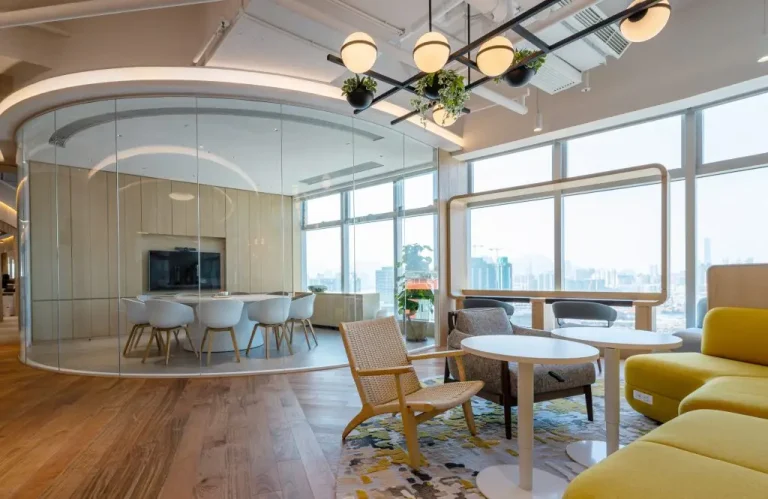
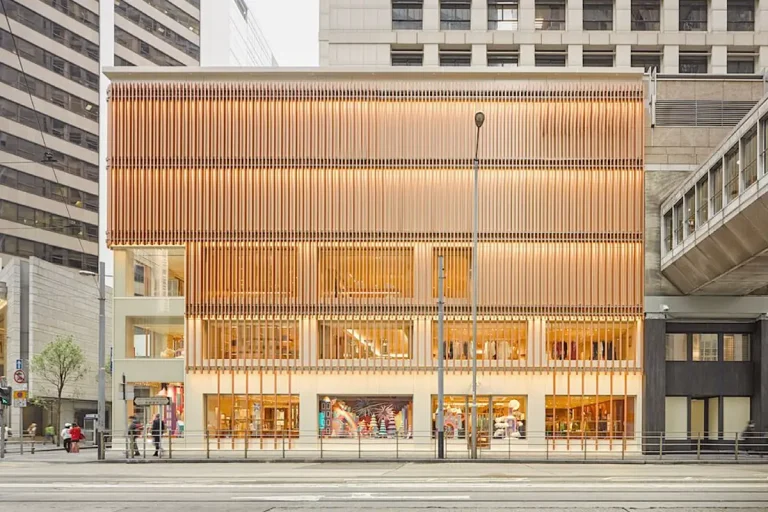
From Office to Experience: How Commercial Renovation Transforms Retail Workspaces and Showrooms
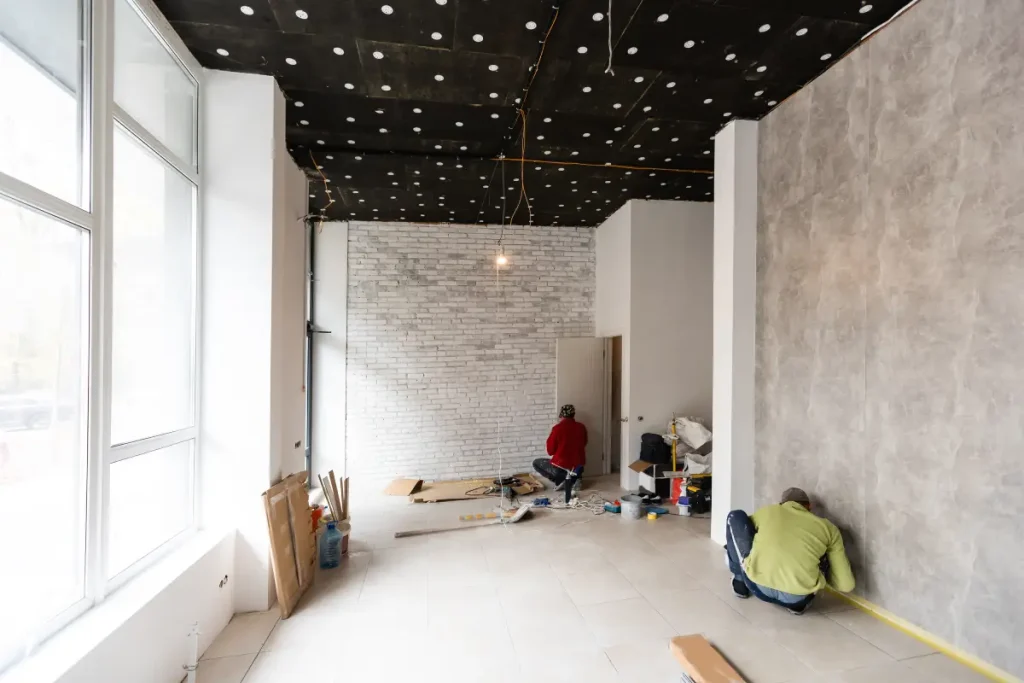
An office renovation can do far more than refresh an ageing interior. In retail workspaces and showrooms, it can reshape how staff work, how products are presented, and how customers experience the brand from the moment they walk in.
That shift matters because many commercial spaces today are no longer purely back-of-house or purely customer-facing. They often need to support both operational efficiency and a stronger, more engaging experience.
That is why office renovation should be approached as more than a cosmetic exercise. In practice, the most effective commercial renovations improve layout, circulation, lighting, technical performance, and brand presentation simultaneously.
At Legend Interiors, we approach commercial renovation through an integrated delivery model that brings together design development, fit-out, project management, production capability, procurement support, and sustainability-led execution.
Key Takeaways
- Office renovation in retail workspaces and showrooms is not just about appearance. It is about improving staff workflow, customer experience, and how the space supports the brand.
- The strongest commercial renovations combine functional planning with visual impact, especially in spaces that need to work for both employees and visitors.
- A well-managed renovation process typically follows clear stages, from assessment and design development to budgeting, execution, and handover.
- In Malaysia, office renovation costs can vary significantly depending on scope, materials, MEP works, and whether the space needs a more premium showroom-style finish.
- Choosing the right renovation partner matters because commercial spaces need more than a good concept. They need coordinated execution that protects both functionality and brand experience.
What Office Renovation Means in Retail Workspaces and Showrooms
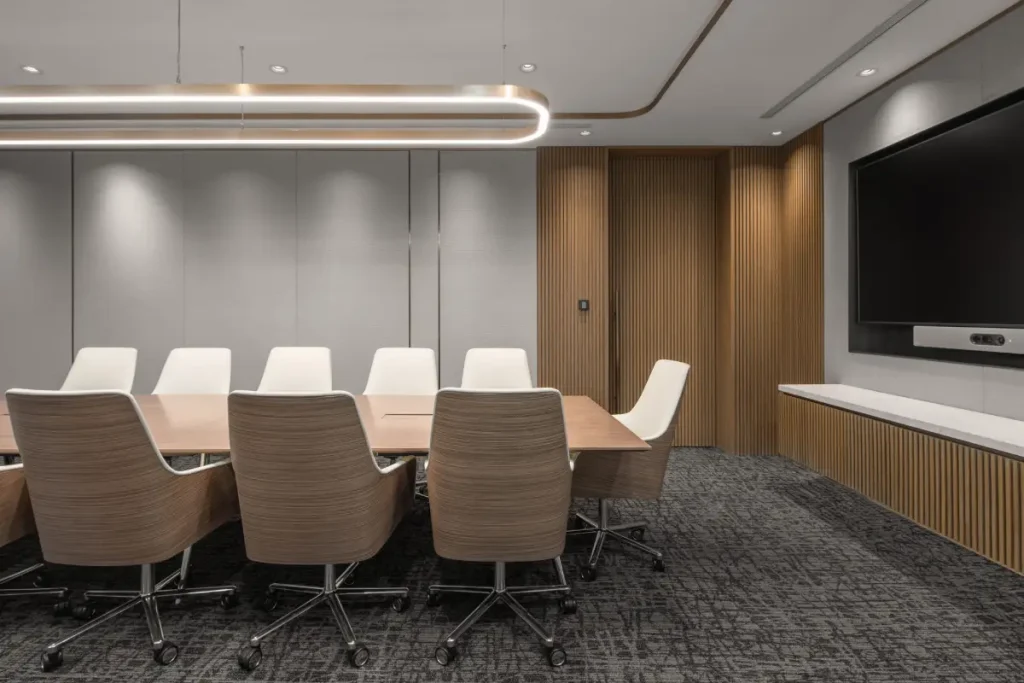
In a commercial setting, office renovation refers to upgrading, reconfiguring, or improving an existing workspace to better support how the business operates.
In retail workspaces and showrooms, including staff offices, customer consultation areas, product display zones, reception areas, meeting rooms, lighting upgrades, partitions, finishes, carpentry, and technical improvements such as MEP coordination.
What makes this different from a standard office refresh is the space’s dual purpose. In many retail and showroom environments, the workplace is not hidden from customers.
It actively shapes how the brand is perceived. That means renovation decisions often need to support both internal operations and the customer-facing experience simultaneously.
This is also why office renovation in these environments tends to be more strategic. A business may be trying to improve team workflow, create a more polished consultation experience, support better product storytelling, or make the space feel more current and aligned with the brand.
The renovation is not just changing the office. It is changing how the space performs commercially.
Why Businesses Renovate Retail Offices and Showrooms
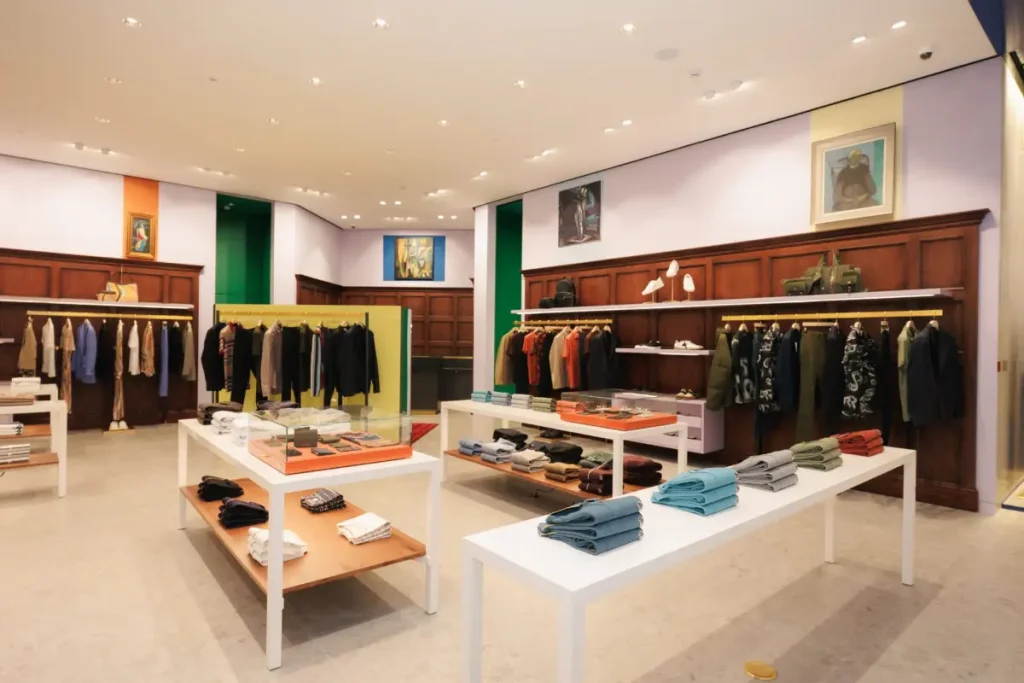
Businesses usually renovate these spaces because their current environment no longer matches how they work or how they want to be perceived.
In some cases, the layout may be inefficient, with poor circulation, underused areas, or awkward separation between staff and customer zones. In others, the space may feel visually dated, technically limited, or inconsistent with the brand image the business wants to project.
Retail workspaces and showrooms often need renovation for a more specific reason: experience matters. Customers are not only buying a product or service. They are also reacting to their environment. Lighting, materials, flow, comfort, and layout all contribute to how credible, premium, approachable, or well-organised the business feels.
At the same time, the staff side of the environment matters just as much. Renovation can improve how teams move, collaborate, meet, store materials, or interact with clients. When done properly, it creates a commercial space that works better behind the scenes while also feeling stronger and more intentional in front of customers.
How Commercial Renovation Transforms Retail Workspaces and Showrooms: Step-by-step
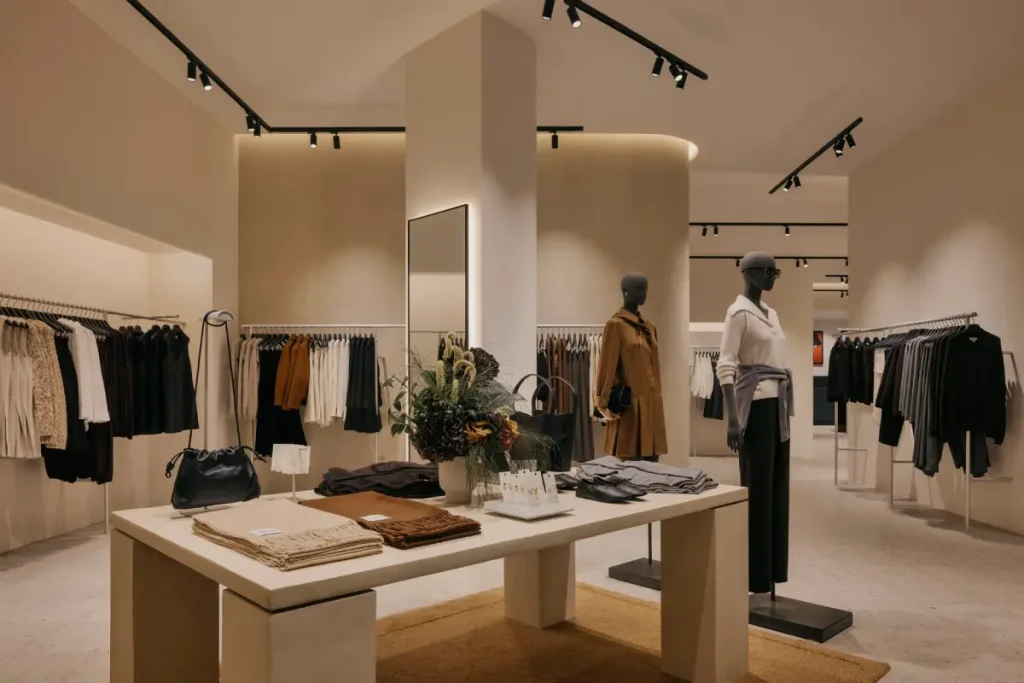
A successful commercial renovation depends on more than a good design concept. It also depends on how well the project is planned, sequenced, coordinated, and carried through to handover.
In retail workspaces and showrooms, this matters even more because the space often needs to balance staff workflow, technical requirements, and the customer-facing experience simultaneously.
Stage 1: Assessment, Briefing, and Business Needs Analysis
The process begins by understanding how the space is currently used and where it falls short. This includes identifying business goals, staff pain points, customer experience issues, layout inefficiencies, and technical limitations that may be affecting daily operations.
At this stage, project management is already important because the team needs to define the scope clearly before design work begins. In retail workspaces and showrooms, that means looking not only at how the space functions internally, but also at how it supports brand presentation and customer interaction.
Stage 2: Design Development, Layout Planning, and Scope Alignment
Once the needs are clear, the next step is translating them into a workable design direction. This usually includes layout planning, zoning, circulation review, design concepts, and early technical coordination to ensure the proposed ideas can realistically be built.
This stage also includes scope and budget alignment. Material expectations, finish levels, carpentry needs, MEP works, and visual priorities all need to be reviewed together so the renovation remains realistic before execution begins.
Good project management at this point helps separate must-haves from optional enhancements, making the budget easier to control later on.
Stage 3: Procurement Planning, Scheduling, and Pre-Construction Coordination
After the design and scope are confirmed, the project moves into preparation. This is where the renovation programme is developed, long-lead items are identified, procurement plans are prepared, and site logistics are reviewed before physical work begins.
From a project management perspective, this stage is about reducing avoidable delays. Scheduling, supplier coordination, fabrication timing, and access planning all need to be aligned so the project can move into construction with fewer disruptions and greater visibility into what happens next.
Stage 4: Execution, Trade Coordination, and Site Management
With planning complete, the renovation moves into implementation. This stage usually involves site setup, phased works where needed, procurement follow-through, fabrication, trade coordination, and regular quality checks throughout the construction period.
This is where project management becomes most visible. The contractor needs to keep the programme moving, coordinate different trades, resolve site issues, maintain quality control, and protect the space’s usability as much as possible.
In commercial settings, strong execution is not just about finishing the work, but about keeping the process controlled, efficient, and commercially workable.
Stage 5: Final Inspection, Testing, and Handover
At the end of the renovation, the focus shifts to checking the completed work, rectifying defects, testing systems, and making sure the space is ready for actual use.
This stage helps confirm that the office is not only visually complete but also functional and properly prepared for staff and customers.
A strong handover is also part of good project management. It ensures the business receives a space that feels finished, settled, and ready to support day-to-day operations rather than one that still feels like a work in progress.
Here’s a visual timeline of the process:
Stage 1
Assessment, Briefing & Business Needs Analysis
↓
Stage 2
Design Development, Layout Planning & Scope Alignment
↓
Stage 3
Procurement Planning, Scheduling & Pre-Construction Coordination
↓
Stage 4
Execution, Trade Coordination & Site Management
↓
Stage 5
Final Inspection, Testing & Handover
What Makes Office Renovation More Complex in Showrooms and Retail Workspaces
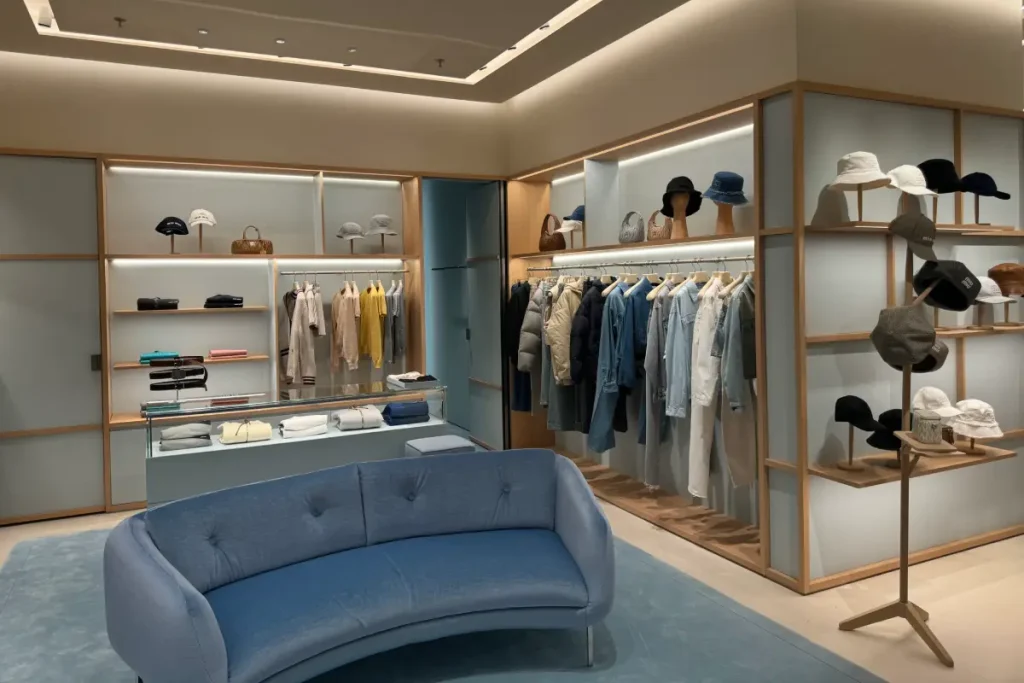
Office renovations in showrooms and retail workspaces usually require a more deliberate approach because the space must perform on two levels simultaneously. It needs to function efficiently for staff while also creating a strong, credible impression for customers.
That means the renovation is not only about improving workspace layout or technical performance. It is also about shaping how the brand is experienced in person.
To manage that complexity properly, businesses and renovators usually need to pay closer attention to the following:
- Balance staff use with customer-facing impact: The space must support daily operations behind the scenes while still feeling polished and intentional in the areas customers see most.
- Plan layout and circulation more carefully: Movement through the space needs to work for both staff efficiency and customer flow, especially where consultation, display, workspace, and support zones intersect.
- Treat lighting and finishes as performance elements: In showrooms and retail workspaces, lighting, materials, and detailing do more than improve appearance. They directly affect product presentation, atmosphere, and perceived brand quality.
- Protect brand consistency throughout the renovation: Because these spaces are often part of the customer experience, even small design decisions such as signage, joinery, and visual framing need to feel aligned with the business.
- Prepare for tighter execution and quality control: Any weakness in workmanship, detailing, or coordination tends to be more visible in customer-facing environments, so the margin for error is smaller than in a standard office renovation.
- Plan around live operations where necessary: If parts of the showroom or workspace need to remain active during renovation, the project may require phasing, access controls, and more careful coordination to minimise disruption.
That is why commercial renovation in these environments often needs tighter planning than a standard office upgrade. The design has to work harder, and the execution has to be cleaner, because the finished space is supporting both the business internally and the brand externally.
Office Renovation Ideas for Retail Workspaces and Showrooms
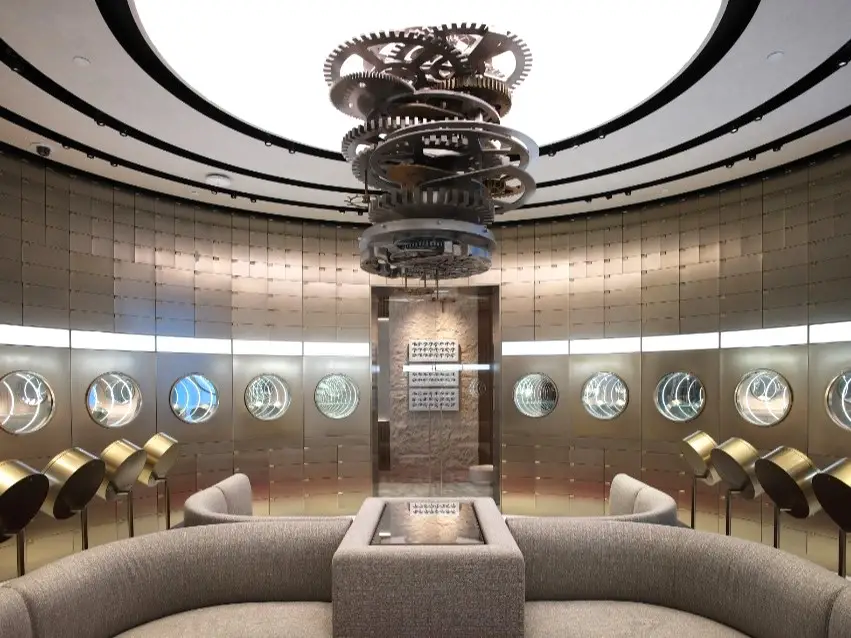
When planning an office renovation for a retail workspace or showroom, the most useful ideas are usually the ones that solve a real spatial problem while also improving the overall experience of the space.
Rather than repeating broad goals such as better flow or stronger branding, this section focuses on specific renovation directions businesses can pursue to shape a more effective commercial environment.
- Use modular layouts for mixed-use spaces: In commercial spaces that need to support both work and customer interaction, modular layouts can make the environment more adaptable. This may include movable tables, flexible consultation areas, or reconfigurable zones that allow the space to respond more easily to different daily needs.
- Create consultation zones that feel open yet focused: For businesses that rely on customer discussions, product explanations, or service consultations, semi-defined areas that offer privacy without feeling closed off can help. This makes the space feel more intentional while supporting better interaction between staff and customers.
- Integrate storage into display or carpentry elements: Retail workspaces often struggle when storage and presentation feel disconnected. Renovation can solve this by integrating storage into display walls, counters, or custom joinery, keeping the space cleaner, more organised, and visually consistent.
- Use layered lighting to define how the space is experienced: Instead of treating lighting as a single overall system, use different lighting types for different functions. Display lighting can draw attention to products, ambient lighting can soften the environment, and task lighting can support workstations or consultation areas more effectively.
- Design arrival areas to feel more like an experience than a reception point: In showroom and retail-office environments, the arrival zone often sets the tone for the whole visit. Renovation can turn this area into a stronger brand touchpoint by using better materials, integrating signage, implementing a more deliberate layout, and providing a clearer visual introduction to the space.
- Add hospitality-inspired waiting or lounge areas: Where customers spend time before consultations or meetings, consider creating spaces that feel more comfortable and considered. Softer seating, warmer finishes, and better spatial framing can make the environment feel more welcoming without losing professionalism.
- Separate staff zones more clearly without making them feel disconnected: Staff support areas should work efficiently, but they should also connect logically to the front-of-house space. Renovation can improve this by creating clearer boundaries between customer-facing and back-of-house zones while maintaining practical, efficient movement between them.
- Use material changes to define zones without overbuilding partitions: Instead of relying only on walls or dividers, businesses can use flooring changes, ceiling treatments, joinery, or lighting shifts to signal different functions within the space. This can make the showroom or workspace feel more open while still giving each area a distinct purpose.
The strongest renovation ideas are usually those that make the space easier to use and more memorable to experience.
When applied thoughtfully, these kinds of upgrades help turn a standard workplace or showroom into a more intentional commercial environment that supports both the brand and the people using it every day.
How Much Does Office Renovation Cost in Malaysia?
Office renovation costs in Malaysia can vary widely depending on the space size, scope of work, finish level, and level of technical coordination.
While market references often place renovation and fit-out costs somewhere between RM50 and RM250 per sq ft, a more typical office-focused range is often around RM60 to RM120 per sq ft, depending on how basic or extensive the renovation is.
| Renovation Type | Estimated Cost Range | Typical Scope |
| Basic refresh | RM50 to RM90 per sq ft | Repainting, flooring replacement, simple lighting upgrades, and light layout adjustments |
| Standard office renovation | RM90 to RM150 per sq ft | Partitions, meeting room upgrades, MEP coordination, moderate finish changes, and more meaningful space reconfiguration |
| Premium commercial fit-out | RM150 to RM250+ per sq ft | Custom carpentry, stronger brand detailing, upgraded systems, premium finishes, and higher-quality execution |
As a broad planning example, a 1,500 sq ft mid-range office in Kuala Lumpur may cost between RM150,000 and RM300,000, depending on the level of fit-out and furnishing.
In retail workspaces and showrooms, costs can rise further because the space often requires more than a standard office setup.
Additional factors such as custom display elements, branded finishes, lighting control, premium material choices, joinery, MEP works, and procurement complexity can all push the investment higher.
For that reason, the most practical way to look at renovation cost is not just price per square foot, but how the overall scope, finish expectations, and commercial demands of the space shape the final budget.
What to Look for in a Commercial Renovation Partner
The right renovation partner should do more than interpret drawings and manage site works. In retail workspaces and showrooms, they also need to understand how layout, brand presentation, technical coordination, and execution quality affect the space as a whole.
A good partner usually shows strength in several areas:
- relevant experience across workplace, retail, or showroom environments
- strong project management and coordination capability
- the ability to balance staff functionality with customer-facing impact
- a portfolio that reflects the type of commercial environment you are trying to create
- enough delivery depth to manage not just fit-out, but the details that make the space feel complete
This is where integrated service capability matters. At Legend Interiors, our services support sustainability, which is especially valuable in more complex commercial projects.
Malaysia Regulations and Requirements to Check Before Commercial Renovation Starts
Before a commercial renovation begins, businesses should confirm that the project is aligned with the key contractor and site requirements that may apply in Malaysia. This is not just an administrative step.
It affects who can legally carry out the works, how the project is declared, what building-level permissions may be needed, and how safety is managed once the renovation starts.
A practical checklist includes:
- CIDB contractor registration: The Construction Industry Development Board (CIDB) states that it is mandatory for contractors, whether local or foreign, to register with CIDB before undertaking and completing construction work in Malaysia.
For businesses, this means the appointed renovation contractor should be properly registered before work starts.
- CIDB project declaration: CIDB also states that every contractor is required to declare and submit any awarded construction work contract to CIDB in the prescribed manner. This is worth confirming early so the project setup is handled properly from the start.
- Building management or strata renovation requirements: In commercial buildings, internal approvals can be just as important as the renovation plan itself because access windows, delivery timing, permit-to-work conditions, and house rules are often controlled by the premises.
In Kuala Lumpur, Dewan Bandaraya Kuala Lumpur (DBKL) publishes renovation-related guidelines for residential and commercial strata buildings, which is a useful reminder to check building-level requirements before mobilisation.
- Safety planning under CDM 2024: Malaysia’s Occupational Safety and Health (Construction Work) (Design and Management) Regulations 2024 came into operation on 1 June 2024 and apply to all places of work in which a project is carried out.
For commercial renovation, this means safety planning should be considered early, including how workers, staff, visitors, and occupied areas will be protected during the works.
- Fire-safety review where relevant: Jabatan Bomba dan Penyelamat Malaysia (JBPM) states that Fire Certificate applications apply to designated premises, and its Kuala Lumpur forms include a notice for proposed changes to the condition of designated premises.
This will not apply to every renovation, but it is sensible to confirm early whether the project scope triggers any fire-safety review or JBPM-related clearance.
These checks help reduce avoidable delays and make the renovation process clearer from the outset. Confirming them early gives the project a stronger, more reliable start.
Case Studies: How Office Renovation Shapes Function and Experience
One of the best ways to understand the value of a commercial interior contractor is to look at completed retail projects. A successful retail fit-out is not just about creating a polished, brand-aligned space.
It also needs to support customer experience, product presentation, technical performance, and the practical demands of daily operations.
These project examples from our portfolio show how retail fit-out works can combine design quality and functional execution to create spaces that perform well in everyday use.
1. Ralph Lauren, 1 Utama
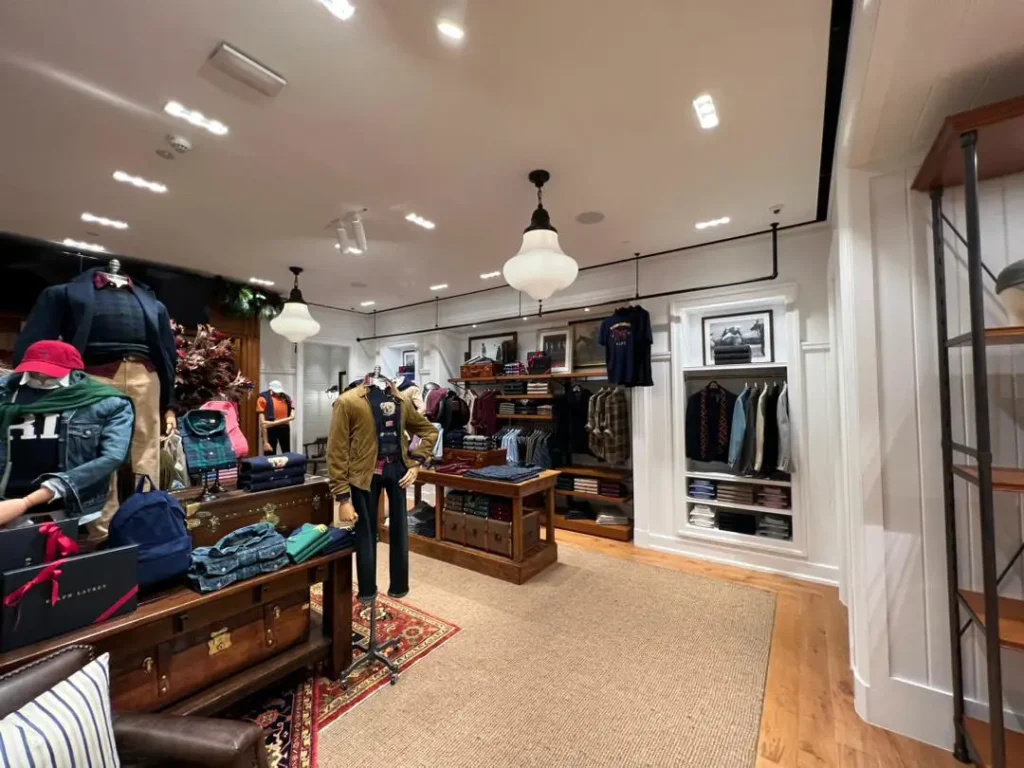
Scope listed: Facade, Fit-Out, MEP, Millwork.
Ralph Lauren, 1 Utama, is a strong example of how retail interiors need to deliver both brand atmosphere and day-to-day functionality.
The space is designed to feel warm, refined, and distinctly premium, with classic wood finishes, framed wall displays, layered merchandise tables, and soft lighting that reinforce the brand’s heritage-led identity.
With facade, fit-out, MEP, and millwork included in the listed scope, this project reflects the level of integrated execution often required in premium retail environments.
The millwork plays a major role in shaping the visual character of the store, while the lighting, layout, and technical coordination help ensure the space remains comfortable to navigate, easy to shop, and operationally efficient.
What makes this project effective is that the interior does not rely on aesthetics alone. The design also supports product presentation, shopper circulation, and a cohesive in-store experience, showing how a well-executed retail fit-out can turn a branded concept into a space that is both visually distinctive and commercially practical.
2. Franck Muller, Suria KLCC
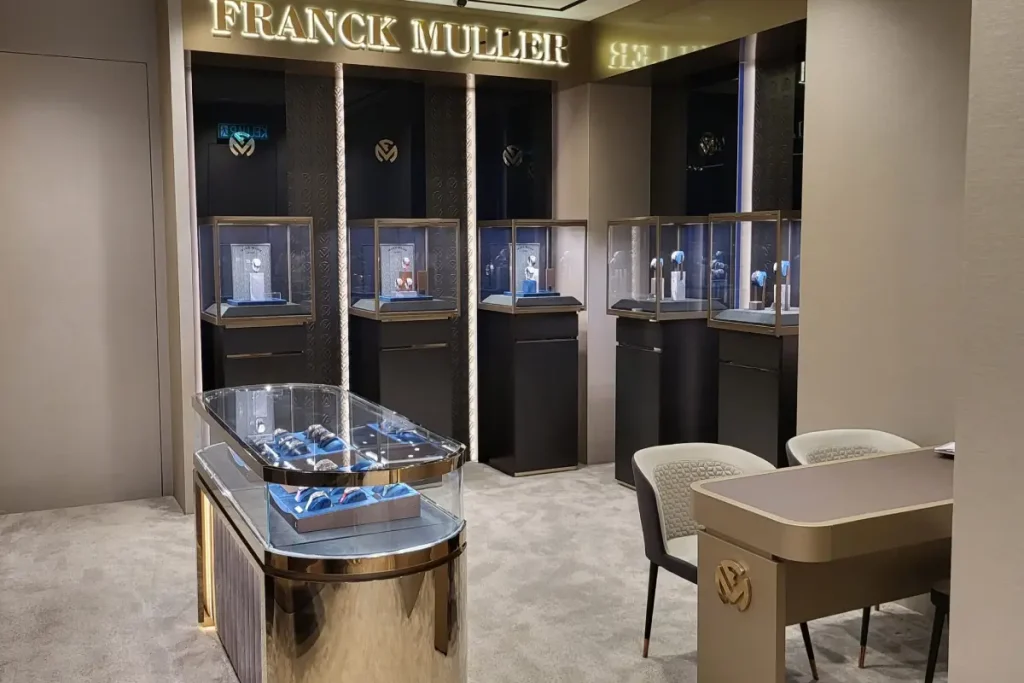
Scope listed: Facade, Fit-Out, MEP, Millwork.
Franck Muller, Suria KLCC, is a strong example of how luxury retail interiors need to combine brand presence with a highly controlled customer experience.
The space is designed to feel refined, private, and premium, with illuminated product displays, soft finishes, and a muted material palette that directs attention to the watches while reinforcing the exclusivity of the brand.
With facade, fit-out, MEP, and millwork included in the listed scope, this project reflects the level of detailed coordination often required in high-end retail environments.
The millwork and display integration help define the boutique’s visual identity, while the lighting, layout, and technical systems all contribute to how comfortably and effectively the space supports product showcasing and client interaction.
What makes this project effective is that the interior does not rely on luxury finishes alone. The design also supports visibility, circulation, and a more focused one-to-one retail experience, showing how a well-executed fit-out can create a space that feels both visually elevated and operationally precise.
Where Office Renovation Meets Commercial Experience
Office renovation can do much more than modernise a workspace. In retail offices and showrooms, it can reshape how the brand is experienced, how staff use the space, and how effectively the environment supports both operations and engagement.
The strongest renovations are the ones that treat these goals as connected rather than separate.
For businesses planning this kind of transformation, the real opportunity lies in moving from a purely functional office to a more considered commercial experience.
If you are planning to transform a retail workspace or showroom into a stronger commercial environment, we invite you to explore our services at Legend Interiors.
We bring together design development, fit-out, project management, and coordinated delivery to help businesses create spaces that look stronger, function better, and support day-to-day performance with greater clarity.
Frequently Asked Questions
What is the average cost of an office renovation in Malaysia?
Office renovation costs in Malaysia are commonly estimated across a broad range depending on scope, finish level, and technical complexity.
Market references often cite figures such as RM50 to RM250 per sq ft, while some office-specific ranges sit closer to RM60 to RM120 per sq ft for more standard projects.
Premium commercial environments can exceed those figures if they include more robust design detailing, carpentry, and MEP upgrades.
How long does a typical office renovation take?
The timeline depends on the office size, renovation scope, approvals, procurement, and whether the works need to be phased around live operations.
Simpler projects can move faster, while more complete commercial fit-outs usually take longer because more trades and technical systems need to be coordinated. Custom joinery, branded elements, and showroom-level finishes can also extend the programme.
What is included in an office renovation project?
That depends on the space and business goals, but common items include layout reconfiguration, partitions, ceilings, flooring, lighting, MEP upgrades, meeting areas, staff facilities, carpentry, and finish upgrades.
In customer-facing environments, the scope may also include display support, reception improvements, consultation areas, and stronger visual branding through the built environment.
How do I know if my office or showroom needs renovation?
A renovation may be worth considering if the space no longer supports your workflow, feels visually outdated, or fails to reflect your brand’s quality.
It may also be needed if lighting, layout, customer flow, technical systems, or staff amenities are holding the space back from performing well.
What makes showroom renovation different from a standard office renovation?
Showroom renovation usually carries greater emphasis on customer experience, product presentation, and brand perception.
The space still needs to function operationally, but it also has to feel persuasive, polished, and easy to engage with. That makes design, detailing, lighting, and circulation more commercially sensitive.
How can businesses evaluate the quality of renovation work?
Beyond appearance, businesses should look at layout logic, workmanship consistency, finish quality, lighting integration, and how well the completed space supports actual use.
A good renovation should not only look resolved in photographs, but also feel clear, practical, and durable in day-to-day operation.
What should a company do if the renovation process goes wrong?
The first step is to review the scope, approvals, programme, and communication trail to identify where the issue is happening.
In most cases, delays or quality concerns become easier to resolve when project roles, variations, and responsibilities are clearly documented. This is one reason strong project management matters so much in commercial renovations.
Can office renovation be done while the business is still operating?
Yes, but it usually requires more careful phasing, scheduling, and disruption control. Active commercial spaces need tighter coordination around access, staff use, deliveries, noise, dust, and customer-facing areas.
The more live the space remains during renovation, the more important the planning becomes.