Hospitality Fit-Outs in Malaysia: Retrofitting vs New Build

In Malaysia’s evolving hospitality sector, property owners face a critical decision when planning a fit-out: whether to retrofit an existing building or construct a new one. This decision influences not only the project’s ROI but also its sustainability, carbon emissions, and long-term operational performance.
At Legend Interiors, we’ve seen firsthand how fit-out decisions shape the success and efficiency of hotels, resorts, and commercial spaces across various sectors.
This article provides actionable insights and strategies for hospitality investors, developers, and interior contractors looking to optimise value in their next project.
Key Takeaways
- Retrofitting reduces costs, timelines, and carbon emissions while supporting sustainable construction goals.
- New builds provide full design flexibility and long-term efficiency but demand higher upfront investment.
- ROI depends on market conditions, building stock, and regulatory frameworks in Malaysia.
- Partnering with experienced interior contractors, such as Legend Interiors, ensures compliance, quality, and timely delivery.
Understanding Hospitality Fit-Outs in Malaysia
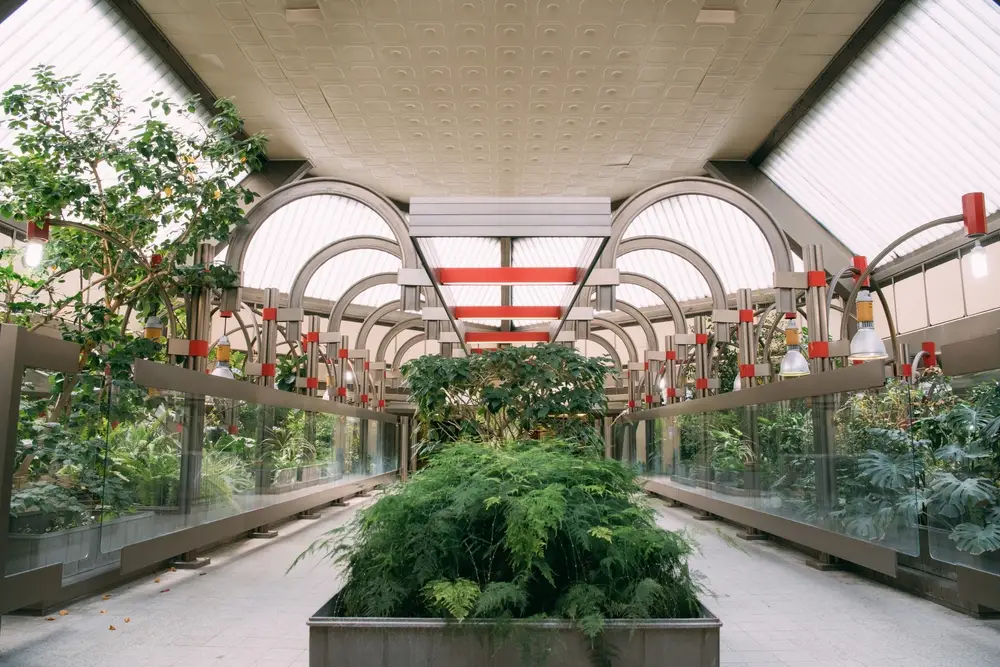
A hospitality fit-out refers to the interior construction phase that transforms a structural shell into a fully operational, guest-ready environment, from shell and core to Category B (CAT B) completion. This process covers all aspects of interior design, spatial planning, and building services, ensuring alignment with brand identity and occupant comfort.
In Malaysia, fit-outs are increasingly viewed through the lens of sustainable construction. Developers are prioritising energy-efficient designs, low-carbon materials, and adaptive reuse to align with the government’s environmental sustainability programmes and Green Building Index (GBI) certifications.
The choice between retrofitting and new building construction depends largely on a project’s goals, available site, and long-term strategy, setting the stage for the key question: Retrofitting vs. New Build?
Retrofitting vs New Build: Which Offers Better ROI?
The short answer is that retrofitting offers faster payback and a lower carbon impact, but new builds deliver greater design control and long-term operational benefits.
A comparative study by ResearchGate (2024) of Malaysian hotels found that energy retrofits reduced operating costs by 18–25%, while new green buildings achieved up to 40% higher long-term value through improved energy efficiency and enhanced brand perception.
Retrofitting: Breathing New Life Into Existing Buildings
A retrofit involves upgrading an existing building to modern standards, improving its performance, energy efficiency, and guest experience without requiring complete demolition. This often includes a comprehensive refurbishment of the interior, as well as the mechanical and electrical systems within the building.
Key Benefits of Retrofitting
- Cost-Effective Construction: Retrofit projects generally cost 30–40% less than new builds based on our previous projects.
- Sustainability: Retrofitting supports carbon reduction, material reuse, and the circular economy.
- Faster Delivery: With existing frameworks and utilities in place, project timelines shorten by 20–40%.
- Preserving Heritage Buildings: Retrofitting supports heritage building conservation while upgrading infrastructure, which is a common practice in Malaysia’s colonial-era hotels and shophouses.
Challenges of Retrofitting
- Structural Constraints: Older buildings may not meet current building industry or energy performance standards.
- Hidden Costs: Degradation in structural elements or mechanical systems may require unplanned refurbishment.
- Compliance Issues: Adhering to modern fire safety, accessibility, and GBI requirements can be complex.
New Builds: Investing in Long-Term Performance
A new building allows full creative and technical control from the ground up. For hospitality developers, this means tailoring spatial layouts, building services, and interior design to align perfectly with operational requirements.
Key Benefits of New Builds
- Complete Customisation: Architects and interior contractors can optimise workspace flow, guest experience, and operational efficiency from day one.
- Sustainable by Design: Integration of net-zero carbon strategies, GBI-certified systems, and energy-efficient HVAC ensures long-term carbon reduction.
- Higher Long-Term Value: Although expensive upfront, new builds often deliver better tenant attraction, lower maintenance costs, and greater returns on investment over their lifespan.
Challenges of New Builds
- High Initial Cost: Land acquisition, permits, and construction materials make this approach a capital-intensive approach.
- Longer Timelines: Full construction programmes may span 24–36 months before revenue generation.
- Environmental Impact: Unless designed as a new green building, new construction carries higher embodied carbon and emission risks associated with the built environment.
Comparative Analysis: Retrofit vs New Build
A granular data analysis is crucial for stakeholders to make informed decisions. This table provides a quick overview of the key differences:
| Criteria | Retrofitting | New Build Construction |
|---|---|---|
| Initial Cost | Lower (30–40% savings) | High capital investment |
| Timeline | 6–18 months | 24–36 months |
| Design Flexibility | Limited by the existing structure | Full customisation |
| Carbon Emissions | 50% lower due to material reuse | Higher, but offset by sustainable design |
| Sustainability Rating | Easier to upgrade for GBI | Higher potential for Net Zero Carbon |
| ROI Timeline | 2–4 years | 5–7 years |
| Suitability | Urban, heritage, adaptive reuse | Large sites, new developments |
This table highlights that retrofitting provides faster ROI and environmental advantages, while new builds excel in long-term asset value and functionality.
The Carbon and Sustainability Framework
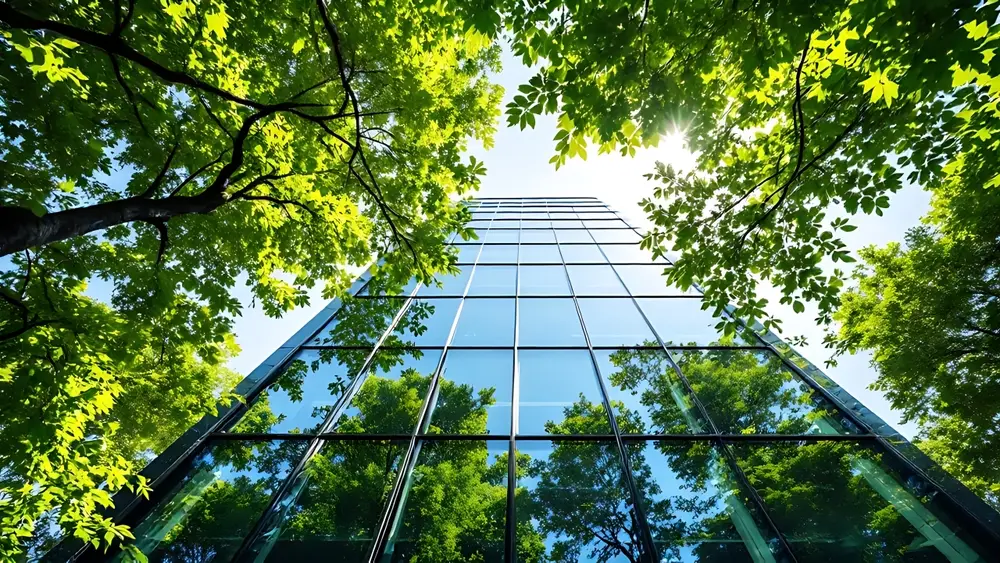
Under the National Energy Transition Roadmap (NETR), the government aims to invest around RM 6 billion by 2040 to improve energy efficiency and accelerate energy retrofit programmes across public and commercial buildings. The commercial and industrial (C&I) sector alone is expected to achieve about 22% energy savings by 2040 (The Edge Malaysia).
The Works Ministry notes that Malaysia’s construction sector, responsible for about 24% of national carbon emissions, must adopt smart construction practices that optimise materials, reduce waste, and improve building efficiency (EdgeProp.my)
Together, these national efforts form a strong framework for achieving net-zero carbon goals and improving Malaysia’s built environment. For hospitality fit-outs, this means adopting GBI-certified materials and sustainable refurbishment methods that lower environmental impact and improve long-term ROI.
Heritage Buildings: Retrofitting With Purpose
Malaysia’s hospitality landscape features numerous heritage hotels and shophouses that seamlessly blend cultural value with commercial potential.
Retrofitting these buildings allows developers to preserve historical architecture while upgrading comfort, safety, and energy performance to modern standards.
Heritage Building Information Modelling (HBIM) plays a vital role in this process, helping interior contractors to:
- Digitally document and manage each stage of renovation.
- Preserve historical features while improving energy performance.
- Integrate modern mechanical, electrical, and safety systems with minimal disruption.
By applying HBIM, retrofit projects enable heritage redevelopment to become a sustainable and profitable strategy within Malaysia’s hospitality fit-out sector.
Interior Contractor’s Role in Fit-Out Decisions
Retrofitting or building new is a strategic investment decision. Each option carries implications for cost, sustainability, and long-term performance. With deep expertise in hospitality fit-outs across Malaysia, Legend Interiors helps developers assess every factor to ensure each project delivers maximum value and operational efficiency.
- Building Condition Assessment: Review the structure’s integrity, lifespan, and maintenance needs before proceeding.
- Market Factors: Analyse demand, location trends, and guest expectations to ensure commercial viability.
- Financial Feasibility: Model ROI, lifecycle costs, and potential carbon savings for long-term profitability.
- Sustainability Objectives: Align with Malaysia’s GBI standards and national net-zero goals.
- Contractor Expertise: Leverage our experience in both retrofitting and new build projects to ensure seamless and compliant delivery.
Legend Interiors’ approach integrates BIM-driven design, energy modelling, and end-to-end fit-out project management to ensure seamless delivery from design to completion.
Maximise ROI with the Right Hospitality Fit-Out Decision
The choice between retrofitting and new build development ultimately depends on your business goals, site conditions, and long-term sustainability targets. Retrofitting delivers quicker ROI, lower carbon emissions, and supports the circular economy, while new builds offer design freedom and operational efficiency for decades to come.
Both approaches, when guided by experienced interior contractors, can meet Malaysia’s growing demand for sustainable, energy-efficient, and guest-centric hospitality spaces.
Partner with Legend Interiors Malaysia to create sustainable, high-performing hospitality spaces and smart new builds designed for the future.