How to Assess Your Store Before Renovation: Practical Guide for Business Owners
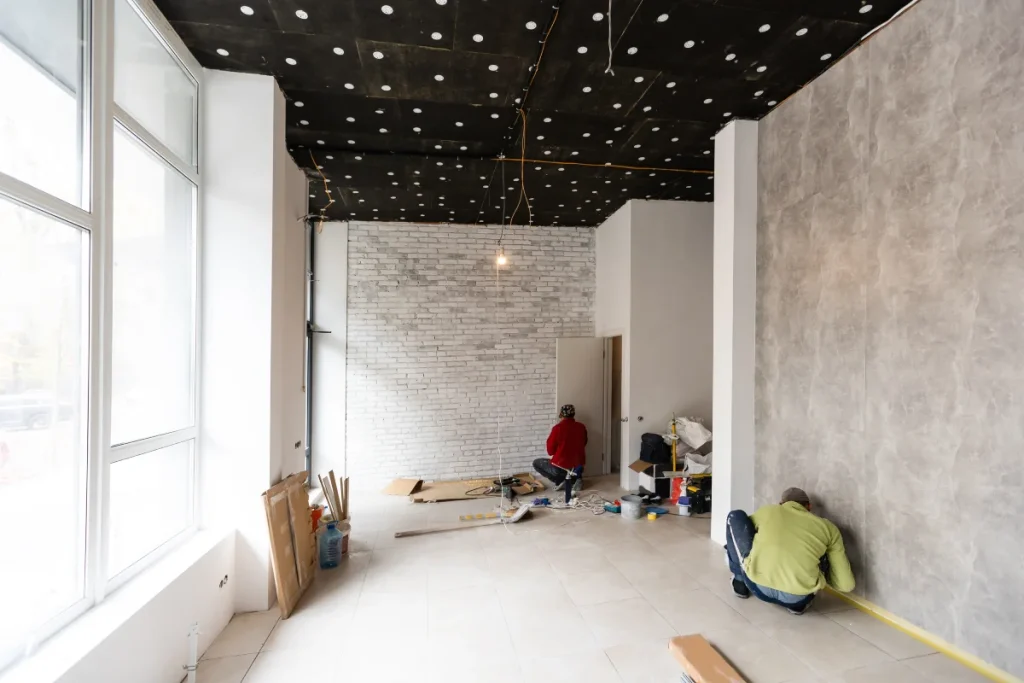
A successful store renovation starts with a thorough assessment, not demolition. Skipping this crucial step can lead to budget overruns, inefficient layouts, and disrupted customer experiences.
In this guide, we will walk you through key steps every business owner should take before renovating: from evaluating your current layout and checking structural issues to aligning design with your brand and setting clear renovation goals.
Key Takeaways
- Store renovation starts with a strategic assessment. Evaluate layout, infrastructure, and customer experience touchpoints before beginning any renovation to avoid costly mistakes and align the space with your brand.
- Clear renovation goals drive better ROI. Set SMART objectives, such as increasing foot traffic, enhancing accessibility, or modernising your brand presence, to ensure your renovation delivers measurable business value.
- Partnering with a fit-out specialist ensures success. A retail-focused fit-out company like Legend Interiors brings technical, regulatory, and design expertise to turn your vision into a high-performing retail environment.
Why Assessing Your Store Before Renovation Matters
A well-executed store renovation is a business decision that impacts sales, customer retention, and operational efficiency. We at Legend Interiors know that detailed pre-renovation planning is the foundation for long-term success.
Avoid Costly Mistakes with Pre-Renovation Planning
Skipping the assessment phase can lead to:
- Budget overruns due to unforeseen structural or compliance issues
- Inefficient shop layout that confuses or frustrates customers
- Brand inconsistencies that weaken customer trust
- Missed opportunities to enhance footfall or sales
A data-driven evaluation helps you plan proactively, not reactively.
Store Layout, Lighting, and Branding Influence Performance
Your store’s physical environment directly shapes buyer behaviour. Research shows that:
- Parallel Dots reported that 80% of purchase decisions are made inside the store. This may mean that product visibility and store environment can affect those decisions.
- Well-designed layouts increase customer dwell time and impulse purchases.
- Poor lighting or unclear navigation can reduce conversion and increase bounce rates.
The Strategic Importance of Store Renovation
Investing in a store renovation isn’t just about refreshing the look. It’s about aligning your physical space with your business goals. With the right layout and experience design, your store can:
- Better reflect your brand values
- Improve staff productivity
- Drive measurable sales growth
At Legend Interiors, we guide business owners through this critical evaluation process, ensuring every design decision is rooted in strategy, data, and deep industry expertise.
6 Steps on How to Assess Your Store Before Renovation

Step 1: Evaluate Your Current Store Layout
Before any store renovation begins, the smartest move a business owner can make is to evaluate how their space actually works for customers and staff. At Legend Interiors, we’ve seen how overlooked layout inefficiencies can quietly erode sales and diminish the in-store experience. This is where a thoughtful shop layout assessment becomes essential.
Understand and Optimise Customer Traffic Flow
Your store layout should guide shoppers naturally from entry to purchase. Ask yourself:
- Do customers intuitively know where to go next?
- Are there friction points where people get stuck or disoriented?
- Is the path to high-margin items clear and intentional?
Store traffic flow optimisation isn’t guesswork. It’s a design science grounded in psychology and consumer behaviour.
Identify Bottlenecks and Wasted Space
A typical retail space has zones that are either overused or underutilised. Look out for:
- Crowded aisles that reduce comfort and movement
- Hidden corners that fail to display products effectively
- Queue zones that block foot traffic or disrupt flow
Use Zoning to Define Purposeful Areas
A high-performing layout separates key zones:
- Merchandising areas for new arrivals, promotions, and hero products
- Service areas like fitting rooms, customer help desks, and checkout points
When done right, retail store layout ideas aren’t just functional. They’re strategic tools to drive engagement, sales, and loyalty. Renovation starts with clarity, and clarity begins with layout.
Step 2: Review Customer Experience Touchpoints
Too often, store renovation focuses on form over function. But the most successful renovations, those that boost sales and brand loyalty, prioritise the customer experience in retail. As thought leaders in spatial design, we encourage business owners to step into their customers’ shoes and evaluate every physical touchpoint in the in-store customer journey.
Walk the Store as Your Customer Would
Every visual and sensory cue shapes perception and buying decisions. Ask:
- Is your signage clear, consistent, and on-brand?
- Does your lighting highlight key areas and create warmth?
- Are fitting rooms clean, comfortable, and inviting?
- Is your checkout counter positioned to reduce wait times and frustration?
These micro-moments collectively define the in-store experience.
Use Feedback and Data to Drive Insight
Don’t rely solely on intuition. Combine qualitative and quantitative inputs:
- Conduct brief surveys or ask staff to gather informal feedback
- Leverage in-store analytics like heatmaps or dwell-time trackers
- Monitor online reviews for recurring physical-store complaints.
Prioritise Ambience and First Impressions
Association for Psychological Science stated, “Princeton psychologists Janine Willis and Alexander Todorov reveal that all it takes is a tenth of a second to form an impression.” Likewise, this principle can be applied to customers entering your store: first impressions matter. And you can create a strong impression through an inviting ambience. Moreover, music, scent, layout, and lighting can:
- Improve mood and browsing time
- Increase the likelihood of purchase
- Strengthen emotional connection with your brand
For business owners seeking smart shop renovation tips, start by refining these touchpoints. The customer journey doesn’t begin at the cash register; it starts at the door.
Step 3: Check Structural and Technical Issues
While aesthetics often take centre stage in shop renovation planning, the invisible systems behind your walls are just as critical. At Legend Interiors, we’ve seen too many projects derailed by overlooked structural or compliance issues. A thorough commercial interior inspection must precede any design work, because a beautiful space built on faulty infrastructure won’t last.
Inspect the Core Systems That Power Your Store
Start with a professional evaluation of your building’s key components. These are core systems to inspect before store renovation:
| System | What to Check | Why It Matters |
| Plumbing |
|
|
| Electrical |
|
|
| Flooring |
|
|
| HVAC |
|
|
| Fire safety |
|
|
Identify Outdated or Risk-Prone Infrastructure
Many retail spaces, especially in older buildings, contain legacy systems that no longer meet code. Signs of trouble include:
- Frequent power trips or water issues
- Inconsistent temperatures
- Poor acoustics or air circulation
- Non-compliance with local fire and accessibility regulations
Engage Specialists for Risk-Free Renovation
Not every issue is visible to the untrained eye. This is where expert partners like Legend Interiors add real value. Our experienced teams integrate structural assessment directly into your retail renovation checklist, ensuring the space is safe, efficient, and future-proof, before a single design element is installed.
Step 4: Align Store Design With Branding Goals
Store design is not just about aesthetics or what looks good. It’s also about what feels right for your brand. A well-executed brand-focused renovation ensures that every physical element in your space supports a cohesive retail brand experience.
Is Your Store Telling the Right Story?
Ask yourself:
- Does your current design reflect your brand values and tone?
- Are your colour palettes, materials, and lighting consistent with your logo, packaging, and digital presence?
- Are your displays and zoning designed to highlight what your brand stands for, whether it’s premium quality, affordability, sustainability, or innovation?
A disconnect between brand and environment creates friction for customers.
Rebranding Through Renovation: Real-World Examples
Many successful brands have used store branding strategy as a catalyst for growth:
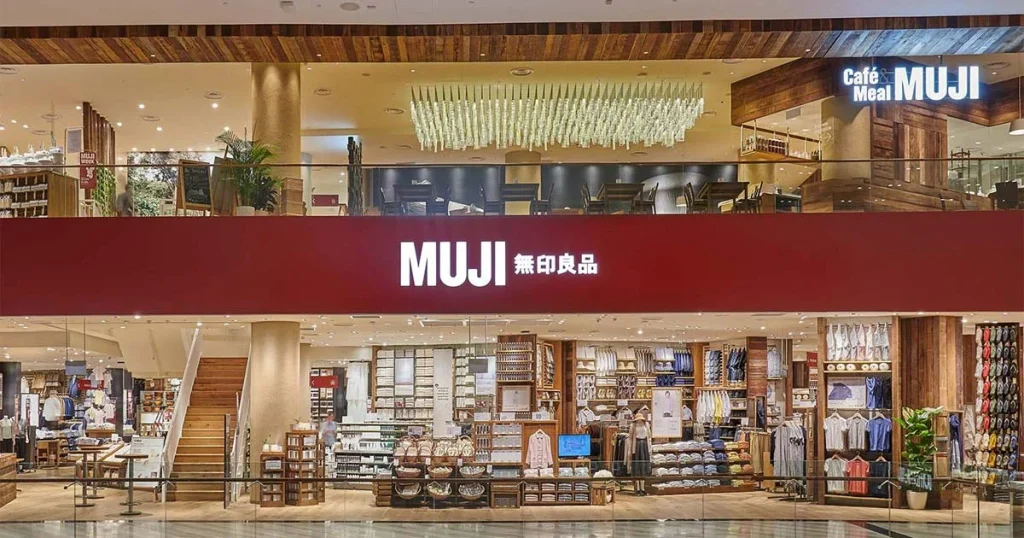
- MUJI Singapore updated its interior layout to reflect its minimalist, no-frills ethos, focusing on raw materials and open space.

- Lululemon integrates community areas and digital signage in-store to express its commitment to wellness and connection.
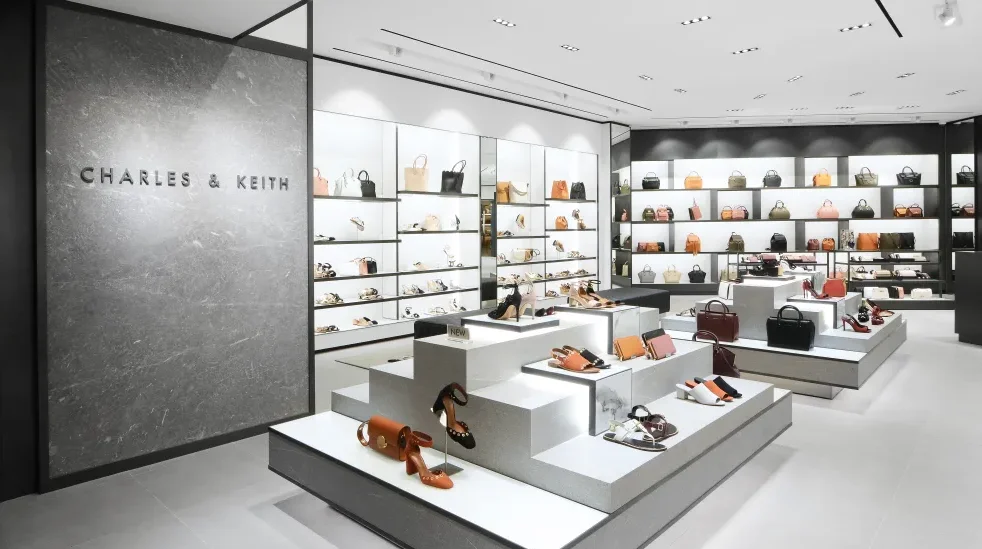
- Charles & Keith underwent a brand refresh that included monochrome interiors and sleek lighting to match their modern fashion-forward identity.
Use Renovation as a Strategic Branding Tool
A retail brand experience doesn’t happen by chance; it’s built by design. Use your renovation as an opportunity to align your physical space with your evolving brand goals. At Legend Interiors, we turn brand strategy into spatial reality.
Step 5: Define Clear Renovation Objectives
Every store renovation strategy should begin with a question: What specific outcome are you aiming for? Without defined objectives, even the most beautifully designed spaces can fall short. At Legend Interiors, we advise business owners to set SMART (Specific, Measurable, Achievable, Relevant, Time-bound) renovation goals. These are goals that not only enhance aesthetics but deliver measurable returns.
Turn Design into Strategy
Common renovation objectives include:
- Increase foot traffic through more inviting storefronts
- Boost dwell time by improving layout and ambience
- Modernise the store’s appearance to stay competitive
- Improve accessibility for a broader customer base
- Enhance flexibility with modular display systems
Each goal should be tied to a performance metric, whether it’s higher average spend, longer time in-store, or improved customer satisfaction.
Renovation That Works Harder
The real shop upgrade benefits lie in aligning renovation efforts with customer engagement and ROI. A purposeful design does more than impress; it performs. At Legend Interiors, we translate business goals into built environments that work as hard as the brands they represent.
Step 6: Consider Budget and Timeline Constraints
Even the most inspiring store renovation ideas can fall flat without realistic budgeting and timeline planning. At Legend Interiors, we’ve learned that the success of a retail renovation is not just about the final design, but how smoothly and cost-effectively the project gets there. Clear constraints are not limitations; they are strategic guideposts.
How to Build a Practical Shop Renovation Budget
A reliable retail renovation cost estimate should account for:
- Design and planning fees
- Materials and finishes (from flooring to lighting)
- Labour and fit-out costs
- Unexpected contingencies (allocate 10 to 15% buffer)
- Compliance costs (permits, inspections)
Costs vary widely based on store size, brand positioning, and location, but transparency is key. We always recommend working with a fit-out partner who can provide line-item clarity from day one.
Manage Your Store Renovation Timeline
Downtime equals lost revenue. To minimise disruption:
- Schedule works during off-peak periods or slower seasons
- Negotiate night or weekend work where possible
- Use temporary signage and barriers to guide customers safely
Phase Renovations for Business Continuity
If operating during renovation, consider a phased approach:
- Divide the store into zones
- Renovate one section at a time while others remain open
- Prioritise high-impact areas like storefronts or POS counters
With careful planning, your shop renovation budget and timeline can become assets, not obstacles.
When to Involve a Fit-Out Specialist
While some renovation decisions can be made in-house, there comes a point when expertise isn’t just helpful, it’s essential. If your project involves technical upgrades, regulatory compliance, or complex spatial redesign, partnering with a retail fit-out company is the smartest move. At Legend Interiors, we’re often brought in when business owners realise that experience, not guesswork, drives successful outcomes.
When Expert Input Becomes Critical
Consider engaging specialists when:
- Your space requires electrical, HVAC, or plumbing upgrades
- You need to meet strict fire, safety, or accessibility regulations
- Your layout must support specific customer flows or product zoning strategies
- You want to avoid costly delays and ensure a seamless execution
Why Work With a Retail-Focused Fit-Out Company?
Unlike general contractors, store refurbishment experts understand how space influences retail performance. From global luxury brands to regional franchises, Legend Interiors has delivered tailored solutions across Asia for over 30 years.
Whether you’re in the early planning phase or halfway through, a seasoned shop renovation contractor in Singapore can elevate your project, ensuring it’s functional, on-brand, and built to last.
Partner with Legend Interiors to bring your retail vision to life — get in touch with our team today.
Frequently Asked Questions
What should I assess before renovating a retail store?
Before renovating a retail store, assess your current layout, customer traffic flow, structural and technical systems (plumbing, electrical, HVAC), branding alignment, and customer experience touchpoints such as signage, lighting, and checkout counters. A thorough pre-renovation assessment helps prevent costly mistakes and ensures your renovation goals are aligned with business outcomes.
How do I plan a budget for store renovation?
To plan a store renovation budget, start by estimating key costs: design fees, materials, labour, permits, and contingency (usually 10 to 15%). Use a detailed breakdown to create a realistic budget that matches your store size and scope. Work with a shop renovation contractor to get accurate retail renovation cost estimates and avoid unexpected expenses.
What is the difference between a fit-out and a renovation?
A fit-out refers to making an interior space functional for occupation, including installing flooring, lighting, partitions, and fixtures. A renovation involves upgrading or redesigning an existing space to improve layout, aesthetics, or performance. Fit-outs are common for new spaces, while renovations typically apply to occupied or outdated stores.
How can store layout affect customer experience?
Store layout directly affects customer experience by influencing how shoppers move, browse, and buy. A well-designed layout improves traffic flow, increases dwell time, highlights key products, and enhances accessibility. Poor layouts can confuse customers, cause congestion, and reduce overall sales performance.
When should I hire a store renovation expert?
Hire a store renovation expert when your project involves technical upgrades, regulatory compliance, space planning, or branding integration. Experts like Legend Interiors provide end-to-end solutions, helping you avoid costly delays, meet safety standards, and create a store that is both functional and aligned with your brand identity.