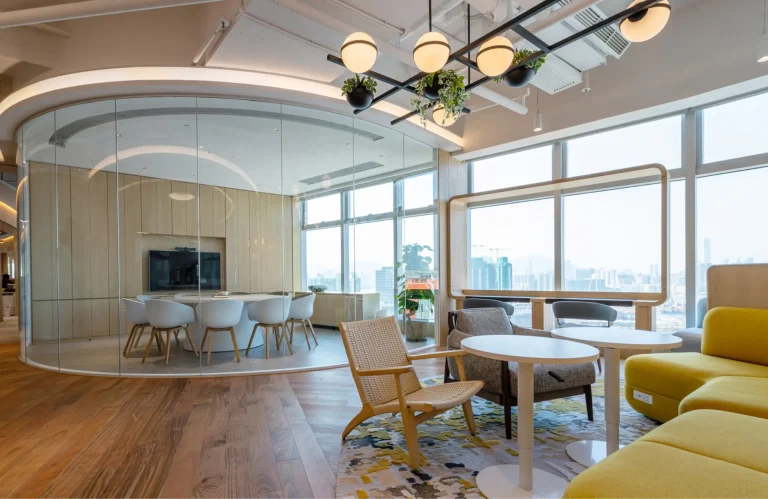
Top 5 Qualities to Look for in a Retail Interior Fit-Out Contractor in Singapore
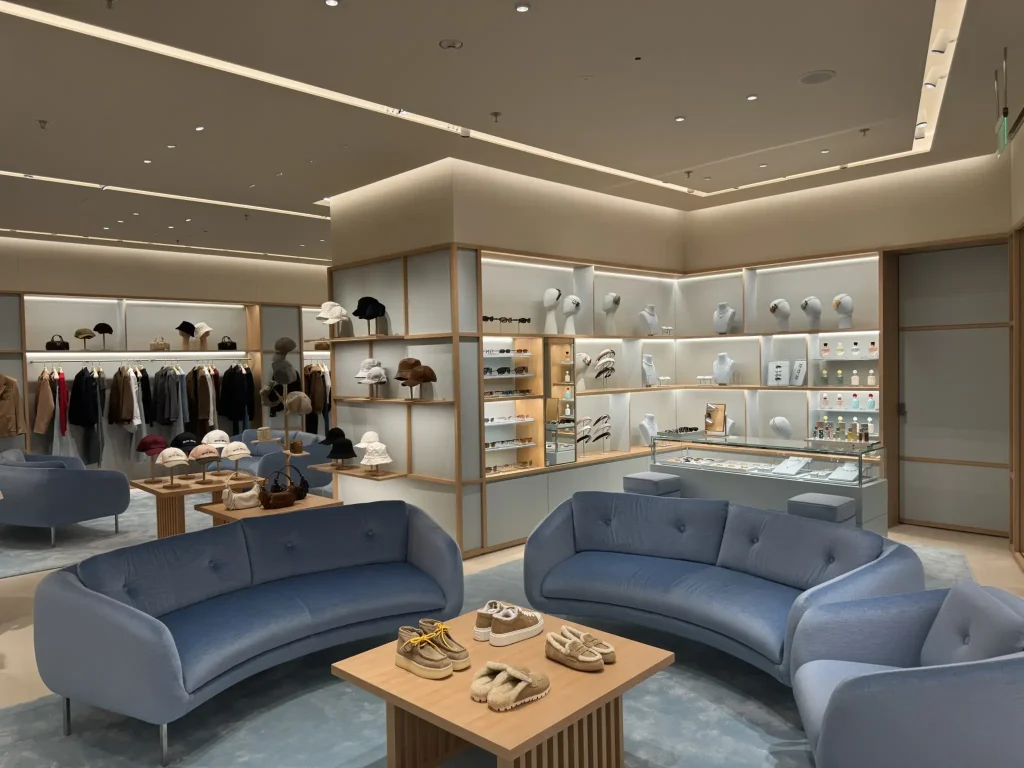
Fitting out a retail store is about more than partitions and lights. Layout, sightlines, and product lighting shape how customers experience your brand. That’s why your contractor needs retail-specific know-how, robust project management, and clear cost control. Below are the five qualities to prioritise when hiring a retail interior fit-out contractor in Singapore.
Key Takeaways
- Choose a contractor experienced in commercial interior design and retail fit-outs.
- Prioritise firms with strong project management and clear communication.
- Look for end-to-end service providers that can handle design, build, and branding in a cohesive manner.
- Ensure your contractor uses quality materials and maintains reliable supplier relationships.
- Insist on transparent pricing and regular cost updates to avoid budget surprises.
#1 Proven Experience in Retail Fit-Out Projects
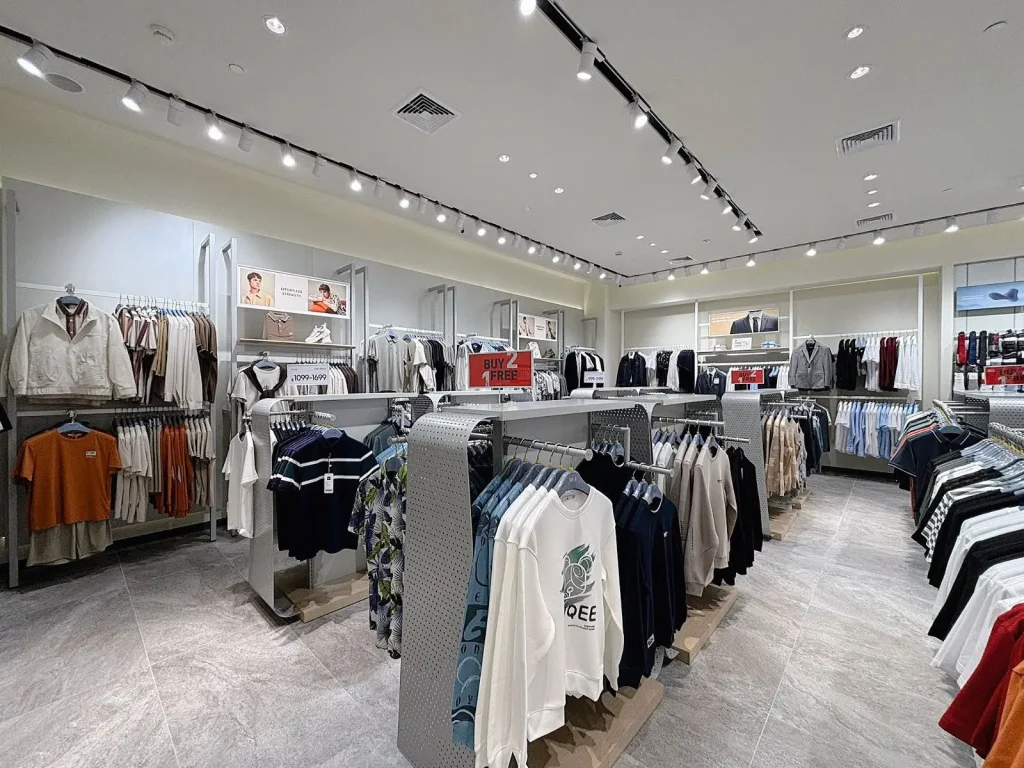
Choose a contractor with a proven retail fit-out portfolio in Singapore. Ask to see comparable projects, by merchandise type and brand positioning, and review both aesthetics and function (aisle widths, sightlines to hero products, staff circulation, BOH→FOH transitions, and colour/finish execution).
When looking through their portfolio, assess the following:
- Match merchandise: request apparel examples if you’re a fashion store; tech/electronics if you’re a gadget store.
- Match brand level: if you’re a retail store that fits a Japandi design scheme, look through Japandi projects.
- Assess function: confirm space planning, circulation, and visibility are strong, not just the look.
A residential-focused firm doesn’t likely have the know-how to meet retail demands, such as customer flow, display sightlines, lighting for product visibility, and mall management compliance. Confirm the contractor’s familiarity with mall tenancy guidelines, and where applicable, SCDF/Fire Code and WSH requirements.
#2 Strong Project Management Capabilities
A retail fit-out encompasses multiple aspects, including electrical, lighting, and HVAC systems, as well as those outside the scope of the construction, like liaising with mall management.
As such, a contractor with strong project management capabilities should have the organisation and coordination skills to streamline the process for their client.
- Have they appointed to you a single point of responsibility (project manager) who coordinates between you, designers, management, and all parties relevant to the project? If so, then they know how to keep the coordination process simple and streamlined, which is good.
- How do they handle changes? Variation orders, design amendments, unforeseen site conditions (old structures, hidden services, etc.) A good contractor anticipates and communicates early.
- Are they organised enough to align their turnaround timeline with brand launches, mall openings, and your various marketing activations?
Your contractor’s project management will determine the manageability of the fit-out project. Strong project management means an organised, on-schedule firm with the foresight to handle unexpected problems before they arise.
#3 Comprehensive End-to-End Services
Your project will run more smoothly if the contractor manages multiple parts of the process. This includes working through design, materials, finishes, and branding, ensuring everything integrates well, from the façade to the back of the house.
Some firms only handle construction (shell works, partition, basic M&E), while others focus solely on design input, including lighting, signage, and furniture and fixtures.
Having the interior fit-out contractor oversee all these aspects allows you to:
- Dedicate more time to in-house initiatives, such as the marketing campaign for your planned launch.
- Lessens your points of contact. This can be imperative if you’re coordinating with an events manager for a grand launch as well.
- Brand consistency. From design to turnover, an all-in-one retail fit-out contractor maintains a seamless, unified effort.
There’s no issue with contracting multiple vendors. If you do appoint specialists, however, ensure one firm leads and manages the project. In that case, you need to coordinate with your specialists and the appointed firm. That way, there is clear communication between all moving parts.
This ensures better coordination across all stages of your project, resulting in a more cohesive store design for your brand. Otherwise, overlap and transition points become friction points.
#4 High-Quality Materials and Workmanship
Ensuring high-quality work communicates to customers that your company is a high-quality retail company that doesn’t cut corners.
Keen-eyed customers will be quicker to notice chipped paint than the featured shoes you have on display. Hence, when it comes to retail and commercial spaces, wear and tear can impact your business goals.
You’d want to assess the workmanship of the contractor.
- Are their previous projects’ flooring suitable for heavy foot traffic, for example?
- Are their finishes scratch-resistant and thus capable of meeting the retail demands of constant layout changes?
- Do they have issues with fading? Which, for brand identity, becomes a shoddy problem if your store no longer possesses the same bright accent of yellow it once did.
If your contractor services logo installations, signage, and other design elements, you’ll need to ensure that their colours last, whether it’s a painted wall or a printed decal. As such, you’d want to visit the present state of their old projects as well.
The layout and design of your store are integral to how customers shop within it. Also, good interior design can even elevate how your merchandise is presented.
#5 Transparent Pricing and Budget Management
Most overruns come from unclear scope and late communication about changes. Avoid both with transparent paperwork and rhythm.
You’d want to request from your contractor the following:
- Itemised quotation: materials, labour, M&E, joinery, signage/graphics, finishes, loose furniture.
- Inclusions/exclusions: confirm design scope, furniture, and mall reinstatement responsibilities.
- VO/change process: how are changes approved and priced?
- Payment milestones tied to measurable deliverables (e.g., shopfront completion, M&E rough-in, joinery installation).
A good contractor will monitor the cost versus budget as the project progresses and report potential overruns early, rather than jarring the client with a final quote that’s 30% over budget. They’ll also measure the client’s preferences against their budget and make recommended compromises where necessary.
Checklist: Questions to Ask When Vetting Contractors
Here are some practical questions you can ask to gauge whether a fit-out contractor meets these qualities:
| What to Assess | Questions |
|---|---|
| Experience / Portfolio |
|
| Project Management Capabilities |
|
| End-to-End Services |
|
| Material & Quality |
|
| Transparent Budget & Pricing |
|
Get in Touch with a Retail Fit-Out Contractor in Singapore Today!
Though a retail fit-out contractor’s website can tell a lot about them, the best way to find the right fit for your business is to get in touch with one. Through the initial consultation, you can determine if they’ll be a good fit for your needs and if they can align with your planned opening.
Here at Legend Interiors, we’ve worked with numerous reputable brands, including Dyson, JD Sports, Nestlé’s Nespresso, Polo, Ralph Lauren, and H&M, just to name a few. Our established experience and knowledge of construction intricacies enable us to provide valuable insights on how to approach your retail store.
Book a consultation with us today!
Frequently Asked Questions
What’s The Difference Between A Design Firm And A Fit-Out Contractor?
A design firm focuses on the creative side. This includes space planning, aesthetics, and branding. A fit-out contractor handles the actual construction, installation, and project management. Many modern fit-out firms handle both, including signage and decals, to offer seamless end-to-end services.
Why Is Project Management So Important In Shop Renovation?
Even the best design can fail without proper execution. Strong project management ensures timelines are met, budgets are controlled, and every trade, from electricians to carpenters, works together efficiently.
How Do I Know If My Contractor Uses Quality Materials?
Ask to see actual samples and visit completed projects. A reliable contractor will provide you with their supplier list and explain the benefits of their chosen materials, including durability, maintenance needs, and cost efficiency.
What Should I Prepare Before Starting A Renovation Project?
Define your goals, style, and budget. Prepare concept ideas or references that reflect your brand identity. The clearer your vision, the easier it will be for your contractor and interior designers to bring it to life.