Fit-Out Project Management for Luxury Retail: Special Requirements and Quality
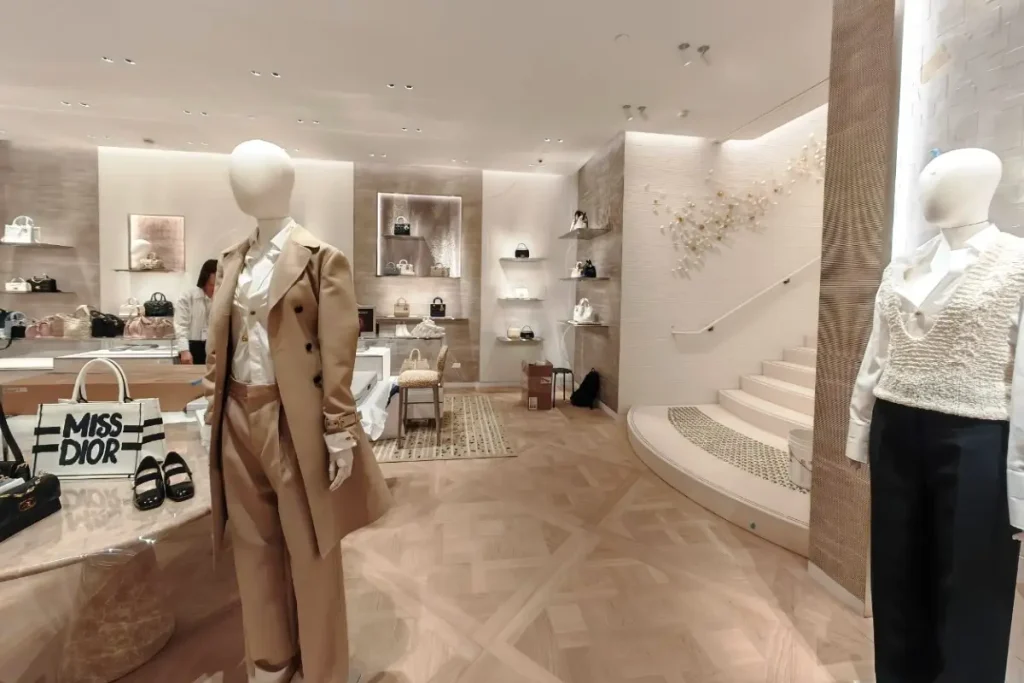
If you are planning a luxury retail space in Singapore, you are operating in one of Southeast Asia’s most competitive premium markets. The city ranked third in the region for luxury store openings in 2023 across 32 Asia-Pacific cities (excluding mainland China), reflecting strong momentum for premium retail growth. Global luxury brands are investing in physical retail here because presence still matters.
Most retail fit-outs prioritise layout and signage. Luxury retail plays by different rules. You are not designing a shop. You are engineering an experience. Every design choice must reinforce brand identity, justify premium pricing, and convert foot traffic into long-term loyalty.
In malls such as Paragon, nothing is incidental. Lighting sets the mood before a product is even touched. Materials communicate craftsmanship and exclusivity. Spatial flow guides how customers explore, pause, and engage. Any disconnect between global brand expectations and local execution is immediately visible.
Luxury fit-outs succeed when every square metre is intentional. Done right, the space does more than display products. It tells a story, signals status, and delivers measurable return without ever feeling transactional.
This is where fit-out project management becomes critical. It safeguards your brand standards, protects the customer journey, and keeps execution aligned from concept approval to opening day.
Key Takeaways
- Luxury retail fit-outs in Singapore demand brand-led project management that protects design intent, execution quality, and customer experience from concept to handover.
- Fit-out project management for premium retail focuses on precision, risk control, and consistency rather than cost savings, ensuring materials, finishes, and workmanship meet global brand standards.
- Quality control in luxury retail must be embedded throughout the build process, with early sampling, mock-ups, and staged inspections to prevent costly rework and brand dilution.
- Strong project management reduces commercial risk by managing complex supply chains, imported materials, regulatory compliance, and tight mall timelines without compromising quality.
- A well-executed final handover ensures the retail space is brand-ready from day one, supporting sales performance and long-term return on investment.
What Makes Luxury Retail Fit-Outs Different
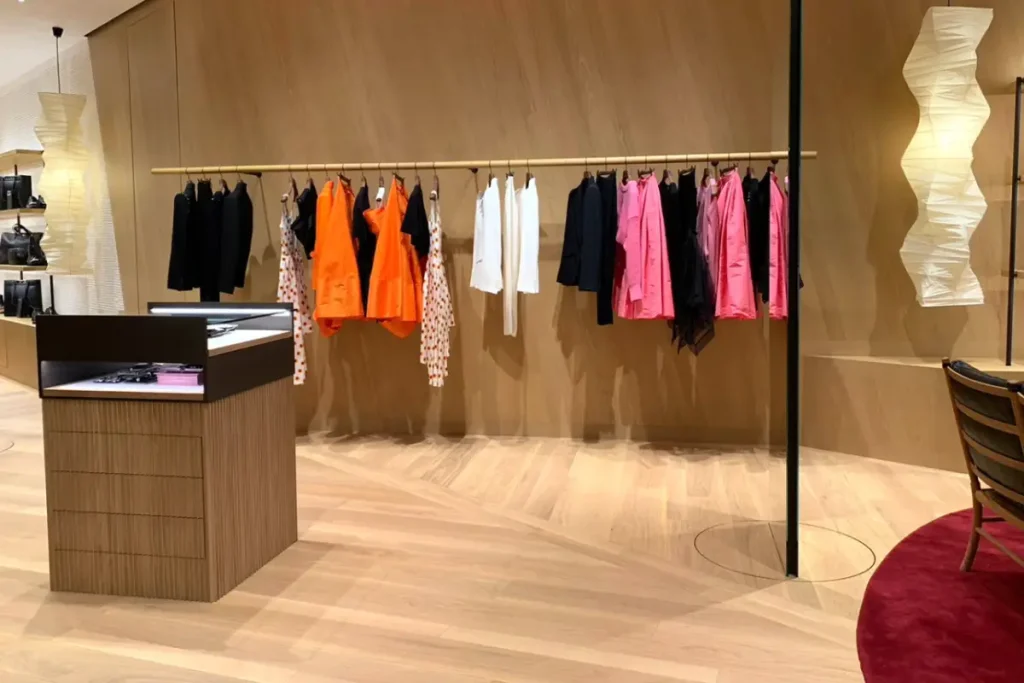
Luxury retail isn’t about cost control. It’s about brand-driven design. You can’t treat materials and finishes like standard shop interior upgrades. You’re facing three key differentiators:
Brand-led Design
Your spatial narrative must match a brand’s global DNA. You’re not choosing carpet colours, you’re creating a sensory environment that supports perception of exclusivity and prestige.
Customer Expectations
Affluent consumers in Singapore expect tactile richness and flawless finishes. Your fit-out must elevate experience from the moment they enter.
Long-term Durability
Short-term trends don’t belong in luxury spaces. Your finishes, joinery, and display elements must stand the test of heavy foot-traffic and evolve with the brand.
A poorly executed fit-out isn’t just an eyesore. It impacts sales, plateauing conversion despite high footfall.
How Does Fit-Out Project Management Works in Luxury Retail
This is where execution either protects the brand or quietly damages it. In luxury retail, fit-out project management is not about keeping schedules tidy, but about controlling risk, preserving brand integrity, and ensuring that design intent survives contact with reality.
A competent project manager acts as the translator between vision and build. Brand guidelines are converted into precise technical specifications that contractors, millworkers, and fabricators can execute without interpretation. There is no room for assumptions when finishes, tolerances, and detailing define perceived quality.
Legend Interiors’ turnkey approach combines design, project management, construction supervision, and procurement, ensuring all stakeholders align on quality and delivery. In turn, this is exhibited in the quality of work presented:
Premium Materials and Bespoke Finishes
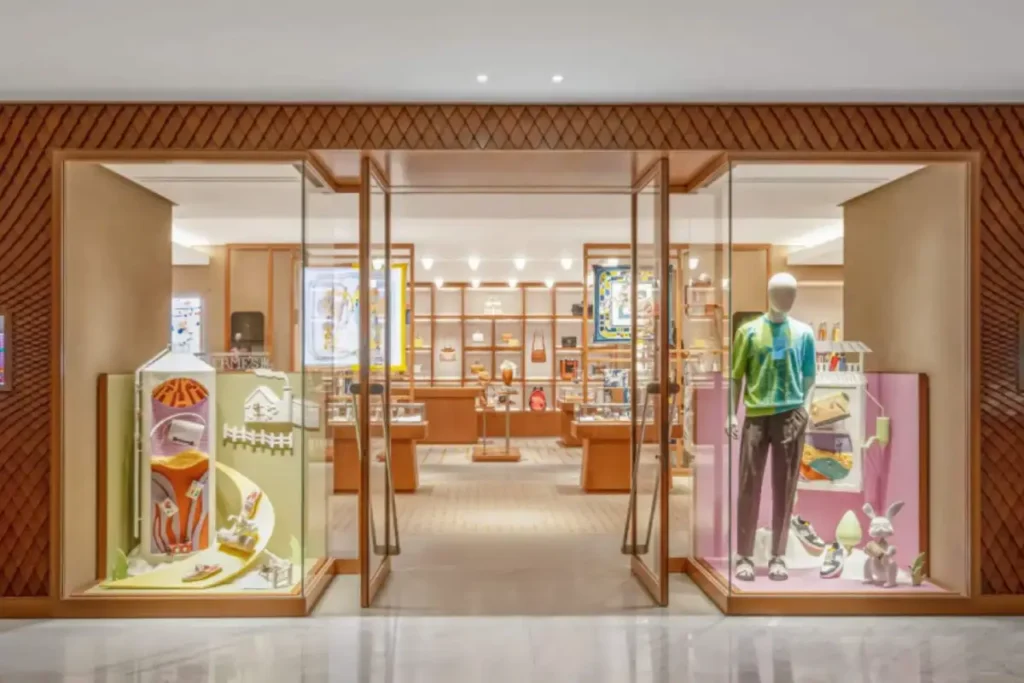
In luxury retail, materials do the talking before your staff do. Nothing here should feel standardised or replaceable. Every surface signals intent, quality, and brand positioning. Premium spaces rely on materials chosen for performance and perception, not convenience.
You are typically working with:
- Natural and engineered stone for counters and display islands where durability meets visual weight.
- Specialty metals such as brass or bronze used selectively for trims, fixtures, and detailing.
- Custom timber, veneer, and lacquerwork tailored for shelving, wall panelling, and feature elements.
- Precision glass and integrated lighting designed to shape ambience and product focus.
Material selection is only half the equation since sourcing plays a factor too. Many high-end finishes are imported, which introduces longer lead times and tighter coordination across suppliers. This is where projects succeed or fail.
Quality control must begin at the sampling and mock-up stage, not during installation, when corrections are costly and timelines are already at risk.
Precision in Design Execution
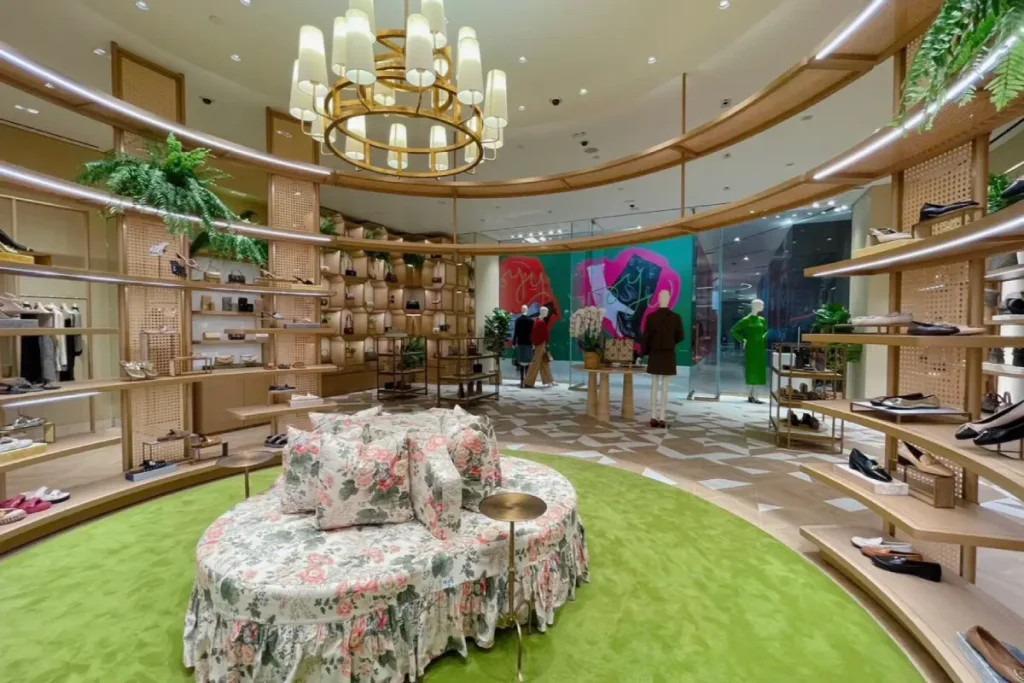
Luxury leaves no room for approximation. At this level, execution is not about interpretation. It is about control. Your project manager must define clear tolerances, inspect workmanship rigorously, and approve samples and mock-ups before anything moves into full production.
For brands operating multiple locations, consistency is non-negotiable. Execution standards must be documented, repeatable, and enforced across every site so that each flagship delivers the same look and experience.
Whether a boutique sits along Orchard Road or within Marina Bay Sands, the finish, feel, and detailing should be unmistakably consistent. That precision is what protects brand equity long after the build is complete.
Strict Quality Control and Inspection Standards
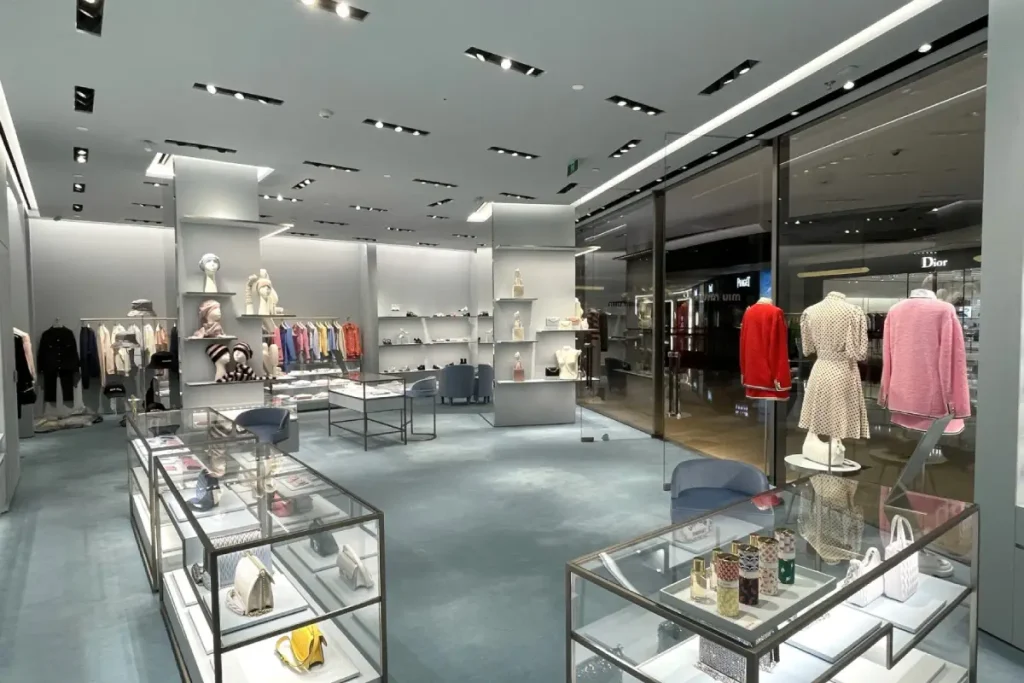
Quality is not something you check at the end. It is built in from day one. On high-end fit-outs, inspection happens at every critical stage of the build, not just during final handover.
This includes early checks on structural subsystems, followed by detailed reviews of finishes, fixtures, lighting, and custom-built elements as they are installed.
This layered inspection approach catches issues when they are still easy to correct. The result is fewer defects, minimal rework, and timelines that stay intact. For luxury projects, that level of control is what separates a polished delivery from an expensive compromise.
Risk Management and Cost Control Without Quality Trade-Offs
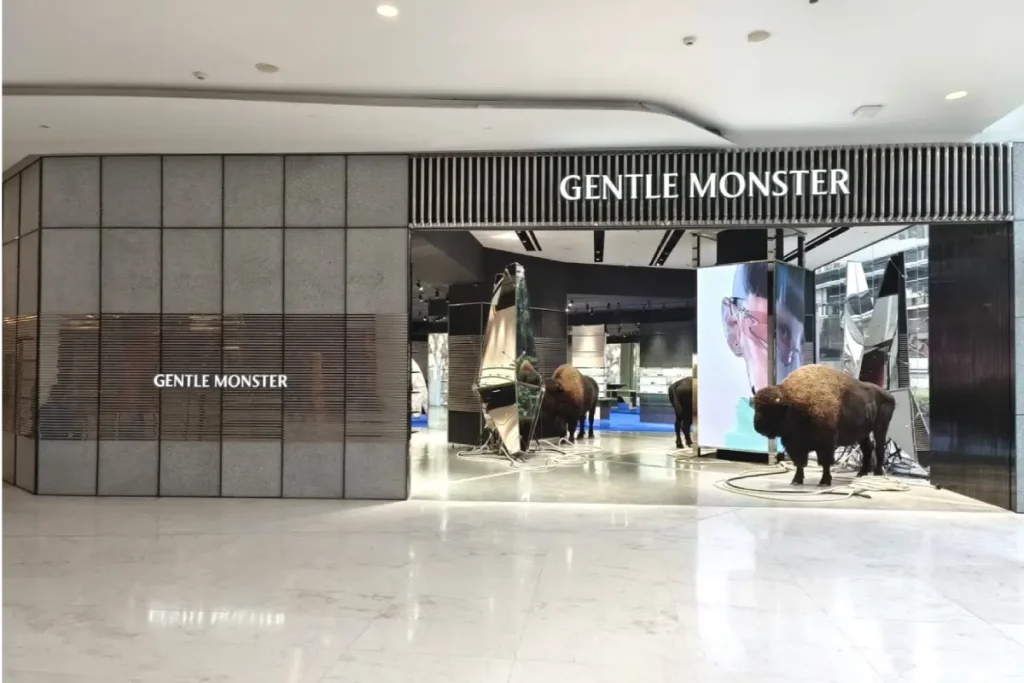
High-end materials and bespoke details raise the stakes on any project. Imported finishes can be delayed without warning. Premium labour and specialist sourcing push budgets quickly. Complex assemblies increase the margin for error if coordination slips.
Strong project management reduces these risks before they surface on site. Clear cost breakdowns make trade-offs visible early, not after budgets are locked. Contingency planning absorbs supply shocks without derailing timelines. Value engineering is used deliberately to protect design intent, not dilute it.
The result is controlled spend, predictable delivery, and quality that holds up under scrutiny.
Final Handover and Brand-Ready Completion
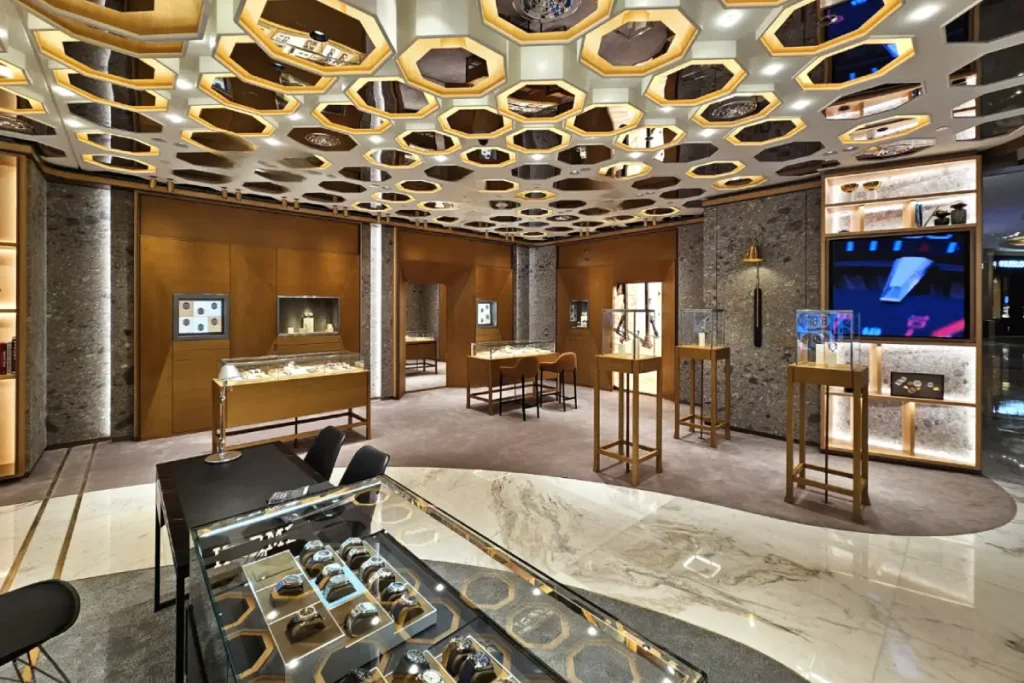
The finish line is not when construction ends. It’s when the space is ready to sell. Final handover is where execution either protects your investment or quietly undermines it.
Every detail matters because this is the moment your brand meets the customer in physical form. A rushed or purely technical handover shows. A considered one elevates the entire experience.
At this stage, the focus shifts to precision and presentation:
- Detailed snagging and final inspections to catch issues before customers do
- Protective measures for delicate finishes during handover and fit-out
- Verification that every surface, light, fixture and display aligns with your brand standards
This is the point where a completed retail space becomes commercially ready. When handover is done properly, the environment supports sales from day one.
Why Expert Fit-Out Project Management Is Non-Negotiable for Luxury Retail
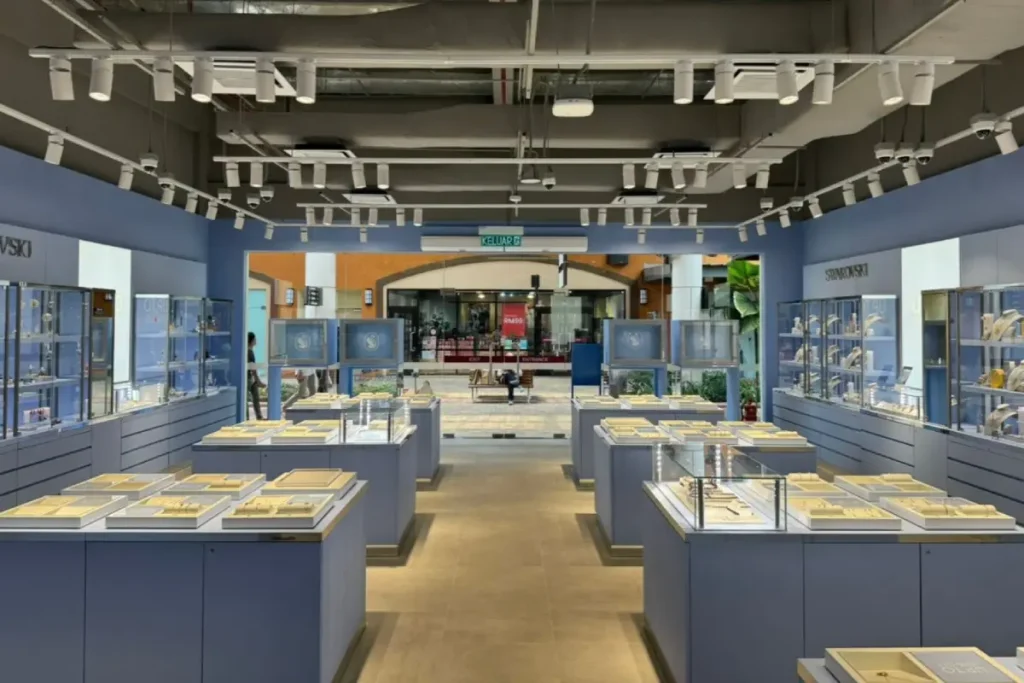
When you invest in a luxury retail fit-out in Singapore, you’re investing in perception, brand experience, and long-term customer value. Fit-out project management from a credible company protects that investment, mitigates risk, and ensures execution matches ambition.
Partner with proven experts like Legend Interiors and turn your luxury retail space into a compelling brand stage. Give us a call today for a consultation.
Frequently Asked Questions
What stages are involved in luxury retail fit-out project management?
A luxury retail fit-out goes from initial vision and budgeting through design development, procurement, construction, quality control and final handover. Each stage must align with brand standards and regulatory compliance.
How long does a luxury retail fit-out typically take in Singapore?
Time varies based on scope and complexity, but premium fit-outs often take several months due to bespoke materials, precision work and regulatory approvals.
Do luxury retail fit-outs cost significantly more than standard retail spaces?
Yes, high-end materials, specialist craftsmanship and extended project management increase costs compared with standard retail fit-outs.
Can fit-out project management help with regulatory compliance in Singapore?
Yes, a professional manager handles submissions and approvals for fire safety, accessibility and mall regulations, streamlining timelines.
Is it worth hiring a turnkey provider for luxury retail interiors?
Yes, turnkey partners oversee design, construction and delivery, reducing risk, ensuring consistency, and protecting your brand’s reputation.