Planning Your Interior Office Fit-Out in Thailand: Key Steps to Get It Right

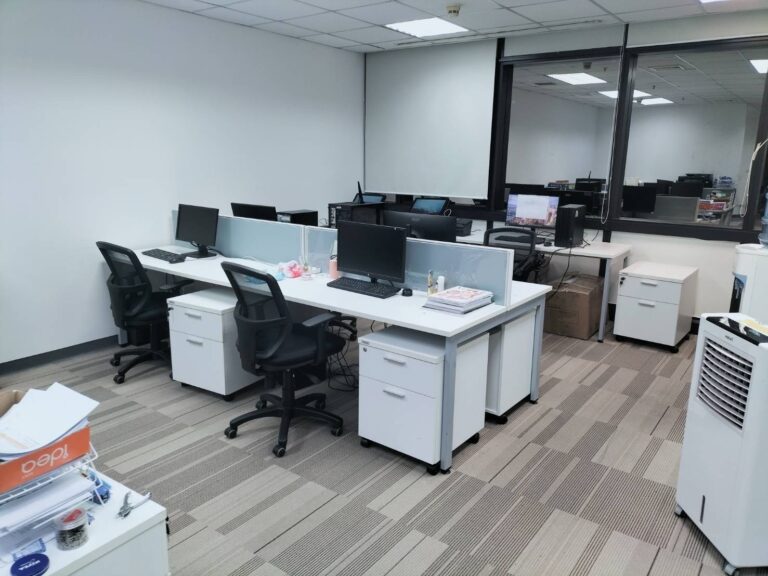
Planning an interior office fit out in Thailand offers a fantastic opportunity to transform a blank canvas into a vibrant, functional office space that reflects your company culture and supports productivity. Whether you’re fitting out a new office space or refreshing your existing space, effective project management is vital to creating an interior space suitable for both daily operations and future growth.
A seamless office renovation or office refurbishment can deliver a workspace that supports staff well-being, brand identity, and long-term business goals. Avoiding pitfalls such as poor layout, delays in regulatory requirements, or last-minute changes requires thoughtful planning and a reliable project team with expertise in office fit outs and commercial space delivery. Companies like Legend Interiors often work closely with clients to guide them through this process, ensuring the end result aligns with both business needs and design expectations.
Key Takeaways
- Define clear objectives for your fit-out: Establish what your new space needs to achieve (productivity, flexibility, collaboration, or client reception).
- Assemble the right team early: A seasoned construction project manager, aligned with your design team and fit-out contractor, helps avoid design missteps, budget overrun, and delays.
- Plan for compliance and functionality: Ensure regulatory approvals, appropriate air conditioning, lighting, office furniture, and layout are factored in for a fully inhabitable space.
What Is an Interior Office Fit-Out?
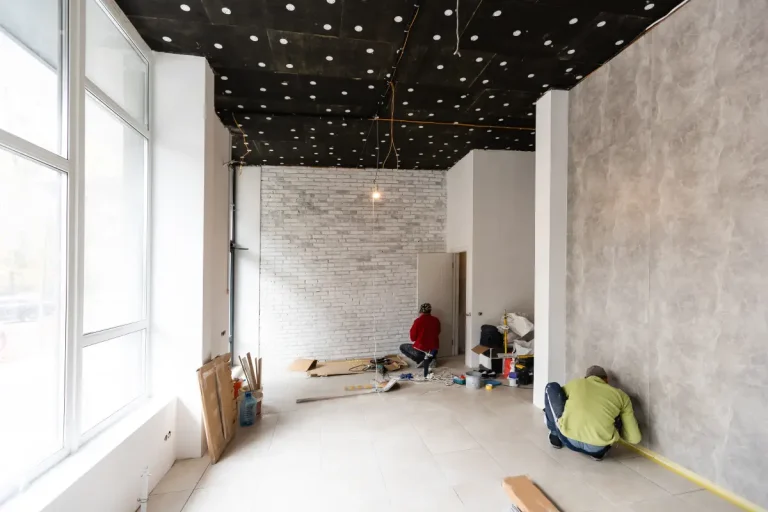
An interior office fit out is the process of taking a base building or shell and transforming it into a complete, ready-to-use office environment tailored to a business’s needs. This goes beyond superficial finishes, it’s a strategic process involving space planning, design, construction, services, and compliance.
Fit-outs can fall into two main categories:
- Category A Fit-Out: This involves basic finishes, such as ceilings, mechanical systems, air conditioning, lighting, and raised flooring. It prepares the interior space but does not include custom design elements.
- Category B Fit-Out: This is where a company personalises the space. It includes office furniture, partitions, branding, AV, tech integration, and all elements that turn the space into a working environment suitable for staff and clients.
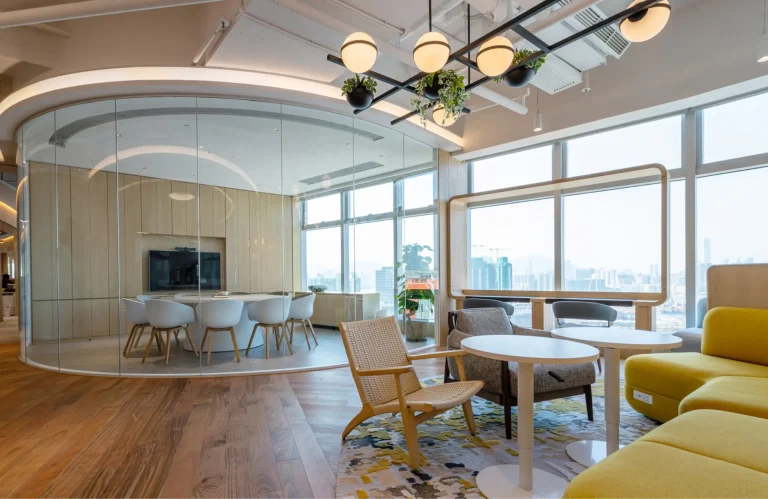
Whether you’re creating common areas, focus zones, meeting rooms, or breakout spaces, the interior fit should suit your company’s working requirements, visual identity, and long-term strategy.
What Are the Steps in Planning Your Office Fit-Out?
| Step | Summary |
| 1. Define Project Objectives and Working Requirements | Clarify your team’s current and future space needs, work styles, brand values, and goals to guide every decision moving forward. |
| 2. Set a Realistic Budget and Timeline | Establish a clear cost breakdown with contingency planning, and create a realistic schedule that accounts for design, approvals, and construction. |
| 3. Build the Right Project Team | Engage experienced professionals early, including a project manager, interior designer, and fit-out contractor, to ensure alignment and accountability. |
| 4. Secure Approval and Meet Building Standards | Handle landlord submissions, permits, fire safety checks, and insurance to stay compliant and avoid costly delays. |
| 5. Design for Functionality, Culture, and Brand | Develop a layout that balances collaboration, comfort, and aesthetics while supporting your company’s brand and operational goals. |
| 6. Execute Construction with Confidence | Oversee fit-out works, including MEP, partitions, finishes, and furniture installation, with regular site checks and progress reviews. |
| 7. Handover and Occupation | Complete snagging, submit all documentation, and ensure the space is move-in ready with systems tested and support in place. |
Step 1: Define Project Objectives and Working Requirements
Before jumping into colours and layouts, it’s crucial to define what the fit out project is meant to achieve. Are you trying to increase collaboration? Accommodate more people? Make a better impression on clients?
Here’s what to clarify:
- The number of employees to accommodate (now and in future)
- The desired balance between open-plan vs. private zones
- Functional needs such as storage, tech infrastructure, and air conditioning
- Areas for client interactions, presentations, and relaxation
- Requirements for hybrid work, quiet zones, or flexible desk setups
- Sustainability and well-being goals
Being clear on your vision, culture, and practical needs helps the project team create a space that enhances productivity, supports brand values, and makes life easier for everyone.
Step 2: Set a Realistic Budget and Timeline
Cost is a key consideration, and poor planning here can derail the entire fit out. Your budget should reflect priorities and make room for flexibility. Instead of only pricing visible finishes like furniture or lighting, factor in:
- Professional fees for interior design, engineering, and project management
- Fit-out contractor and construction materials
- Technology, cabling, AV, and security systems
- Building permits, landlord deposits, and insurance
- Unexpected expenses, including supply chain disruptions
A strong project manager helps you track costs and protect your budget while still delivering quality. Likewise, a smart timeline should account for approvals, design revisions, lead times, and project completion buffers.
Step 3: Build the Right Project Team
A successful interior fit out relies on a multidisciplinary team that can manage every phase—from design to delivery. The team typically includes:
- A project manager who oversees the programme, budget, and stakeholders
- An interior designer or design team who creates a layout aligned with your brand and space needs
- A qualified fit out contractor who executes the construction and coordinates trades
- MEP specialists who handle air conditioning, lighting, power, fire safety, and more
Bringing this team together early ensures alignment on layout feasibility, budget impact, compliance, and interior design decisions. Look for professionals with experience in commercial space and office fitouts in Thailand, they’ll understand local codes, construction timelines, and cultural expectations.
Step 4: Secure Approval and Meet Building Standards
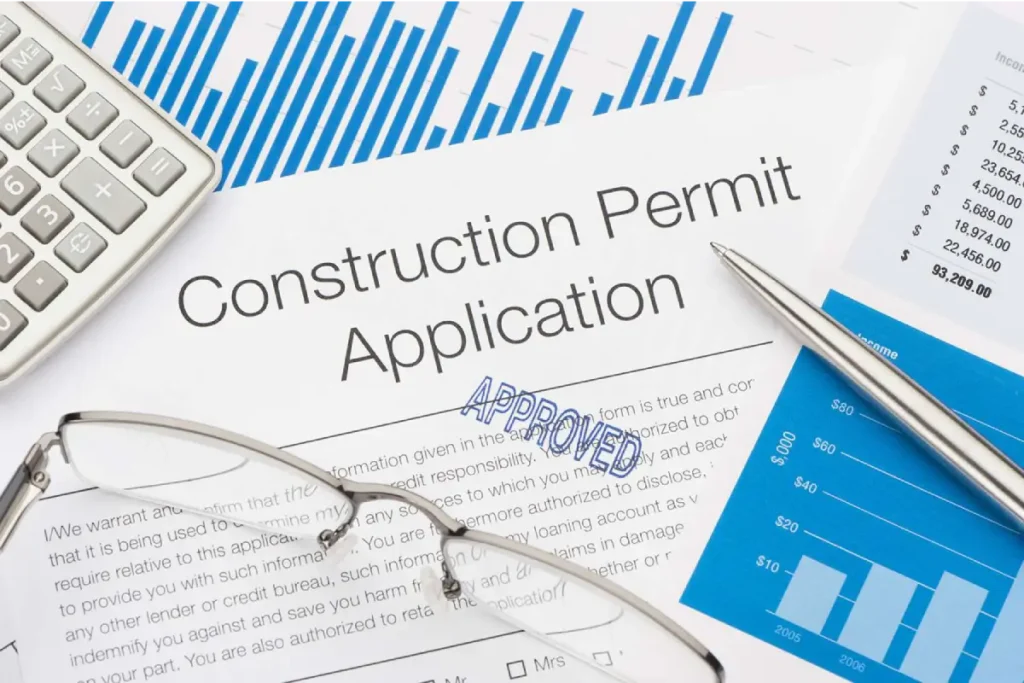
Navigating the local regulations in Thailand can be complex. Most commercial interior design projects require multiple layers of approval before construction starts:
- Landlord fit-out submission approval
- Fire safety plans and mechanical approvals
- Contractor and vendor access scheduling
- Health and safety documentation and insurance
A knowledgeable project team will submit drawings, liaise with building management, and ensure your fit out project complies with all necessary regulatory requirements. This prevents costly rework or project delays and avoids liability or building rule violations.
Step 5: Design for Functionality, Culture, and Brand
Once approvals are in progress, the design phase begins in earnest. This is your chance to create an interior space that is not only visually appealing but also supports the way your team works.
Key considerations include:
- Interior space planning to optimise movement, visibility, and workflow
- Office furniture selection that suits hybrid working and ergonomic standards
- Natural light and artificial lighting for comfort and energy efficiency
- Flexible zones like hot desks, quiet corners, and collaboration areas
- Materials that reflect your brand and withstand daily use
- Sustainable features that reduce operating costs and environmental impact
Design isn’t just about how things look, it’s about how people feel and perform in the space. Aligning the layout with your company culture creates a work environment where people can thrive. Increasingly, this also means accommodating hybrid work models and integrating smart office technologies. From hot-desking layouts and flexible collaboration zones to occupancy sensors and digital platforms that control lighting or climate, these features create a workplace that is both adaptive for employees and efficient for the business — future-ready, comfortable, and cost-effective.
Step 6: Execute Construction with Confidence
This is where the plans become physical reality. Your fit out contractor and project manager will coordinate the construction works, which can include:
- Installing walls, ceilings, and partitions
- Electrical, data, and mechanical works including air conditioning
- Joinery, finishes, flooring, and painting
- Office furniture delivery and installation
- Clean-up, testing, and certifications
Throughout the build, it’s essential to hold weekly site meetings and walk-throughs. This keeps the project on track, allows for real-time decisions, and ensures progress is aligned with your expectations.
Step 7: Handover and Occupation
The final stage is the handover process, where your new office becomes a ready-to-use inhabitable space. It includes:
- Snagging inspections and resolution of any issues
- Handover of documentation: warranties, manuals, fire certificates
- Deep cleaning and preparation of the office space
- Final walkthrough with the client and building management
- Free consultation (if offered) to handle post-occupancy adjustments
A smooth project completion process allows your team to move in confidently, with all systems functional and the space ready for immediate use.
Why Is Strategic Planning Crucial for a Successful Interior Office Fit-Out?
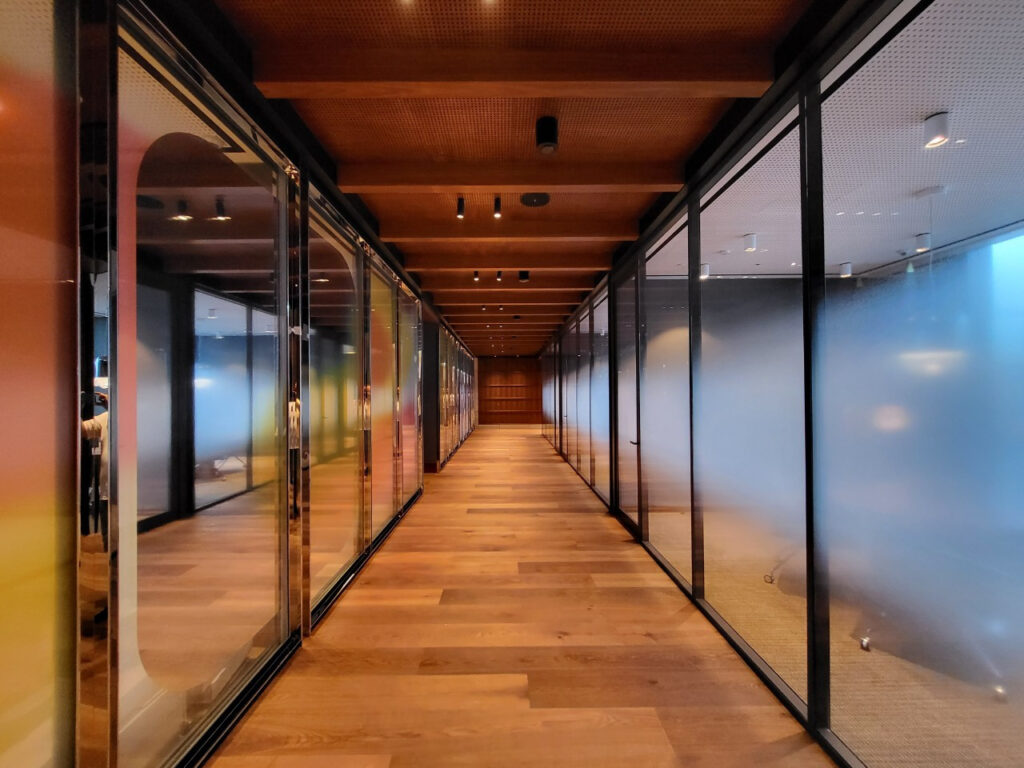
A successful interior office fit-out requires more than just a great design. It involves collaboration, strategy, and professional execution. At Legend Interiors, we understand that from the initial concept to project completion, every phase must be handled with care to avoid surprises and deliver a space that truly meets your business’s goals.
With the right team and a thoughtful approach, your new space becomes more than an upgrade, it becomes a workplace that inspires, supports, and performs. If you’re planning an office transformation, we’re here to help you make it happen smoothly.
Top Trends in Office Fit-Outs 2025
- Hybrid Work & Flexibility: Modular layouts and adaptable furniture for dynamic team sizes.
- AI & Smart Technology: Predictive scheduling, energy sensors, and digital comfort controls.
- Sustainability: Green materials, energy-efficient systems, and waste reduction.
- Wellness-Centric Design: Biophilic elements, ergonomic workstations, and wellness rooms.
Staying ahead of these trends ensures your office investment remains relevant and attractive for years to come.
Frequently Asked Questions
What’s the difference between a fit-out and refurbishment for office spaces?
A fit-out typically applies to a new or empty commercial space (often a shell), where the goal is to make it inhabitable for the first time. Refurbishment, on the other hand, involves upgrading or modernising an existing space that is already in use.
Can I reuse existing furniture or systems in a new interior office fit-out?
Yes, many companies choose to integrate existing office furniture, tech infrastructure, or air conditioning systems into their new office space. A proper assessment during the early stages helps determine what can be reused without compromising quality or aesthetics.
How involved should I be as the client during the fit-out process?
Clients should stay involved during key milestones, such as design approvals, budgeting, and final walkthroughs, but a professional project management team will handle day-to-day execution. This balance keeps your vision in place without overwhelming your schedule.
Are interior office fit-outs tax-deductible or capitalised in Thailand?
Interior fit-out costs may be considered capital expenditures depending on your accounting method and the scope of work. It’s best to consult with a local tax advisor to understand how fit-out expenses impact depreciation and tax reporting.
How do I ensure my fit-out supports long-term flexibility?
To future-proof your office fit, work with your design team to include modular layouts, demountable partitions, and scalable infrastructure. This makes it easier to adapt to team changes, new technology, or office refurbishment later without major disruption.